Author name: Mrs Cleveland

Wellbeing Wednesday: Caring

Tips for wellness from our Mental Health In Schools Team

Caring

Caring is about looking after the needs of yourself and others. There are lots of ways you can show others that you care, showing kindness, compassion, love, support and being thoughtful.

It is equally important to take time to care for ourselves, sometimes termed ‘self-care’. This can help us to increase our resilience and sense of self-worth. Allowing yourself time to engage in activities you enjoy and make you feel good, along with recognising unkind thoughts and trying to replace these with kinder thoughts can be part of caring for yourself.

Caring for others can help us feel connected, purposeful, and close to those we care for. These things are positive for our mental wellbeing. Can you think of a way you’ve shown care for someone this week?

Everyday millions of people in the UK give additional care to people they know through helping with everyday living tasks. Young Carers may also be responsible for looking after younger brothers and sisters and doing household chores. If you are, or you support a Young Carer, you can find local carers support by following these links:

Our tips for being caring:

  1. Caring Chain – write down an act of caring they can do for another person or for themselves on a strip of paper. Create a paper chain with each of these strips, by folding and linking them together. This can then be displayed and children can be encouraged to give a new act of caring a go each week.
  2. Try to identify 3 ways you have been caring towards yourself and 3 ways you have been caring towards others. Then, set a goal for another caring act you can carry out over the following week.
  3. Take time to practise self-care! Follow this link for some ideas of how you could be kinder to yourself.

Please contact [email protected] for information and advice about mental health and well-being for your child and your family.

Friday Library Recommendations: Mental Health Week

As this week has been Mental Health Week, I have chosen some fabulous books that help us understand what emotions we are feeling and why.

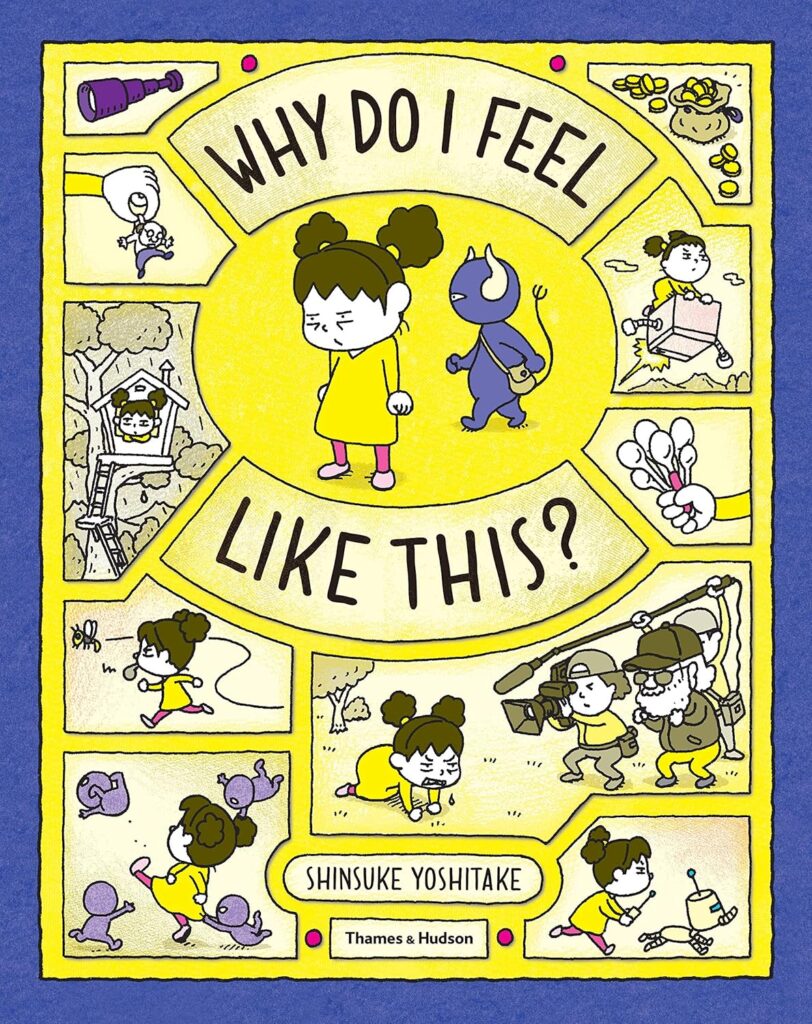
Why Do I Feel Like This? Shinsuke Yoshitake is a warm, witty, and wise picture book that’s as entertaining as it is enlightening.

Everyone knows the struggle of navigating big emotions — especially when they don’t quite have the words to explain how they’re feeling. Why Do I Feel Like This? is a brilliant, funny, and thoughtful exploration of just that.

Told through the eyes of a young girl on her way home in a thoroughly bad mood, the story dives straight into the unpredictable world of childhood feelings. As she trudges along, annoyed and unsure why, her imagination takes over. Could her bad mood be something she caught? Did it come from something she ate? What if she could store her feelings in jars and sort through them later — or even send them off in a rocket?

This clever mix of humour and introspection is where the book really shines. Rather than offering neat solutions or moral lessons, Shinsuke allows his young protagonist to explore every odd and silly idea that pops into her head. It’s a wonderfully relatable portrayal of how children (and adults!) can spiral through emotions without always knowing why.

The illustrations are bold, quirky, and full of character. Every page is packed with visual humour and fantastical scenes that bring the girl’s musings vividly to life. From an emotion menu to a whimsical contraption for filtering out bad moods, the book invites children to laugh while also considering their own emotional experiences.

Offering gentle encouragement for self-reflection, it opens the door for children to think critically and creatively about their emotions. It reassures them that it’s okay to feel angry or sad sometimes, and that those feelings aren’t permanent. By the end of the book, the girl hasn’t magically solved all her problems, but she has learned a little more about herself. In a world that often expects children to be cheerful and resilient without giving them the space to explore what they feel, Why Do I Feel Like This? is a refreshing and necessary read. It invites children to wonder, imagine, and, most importantly, to understand that emotions are just part of being human.

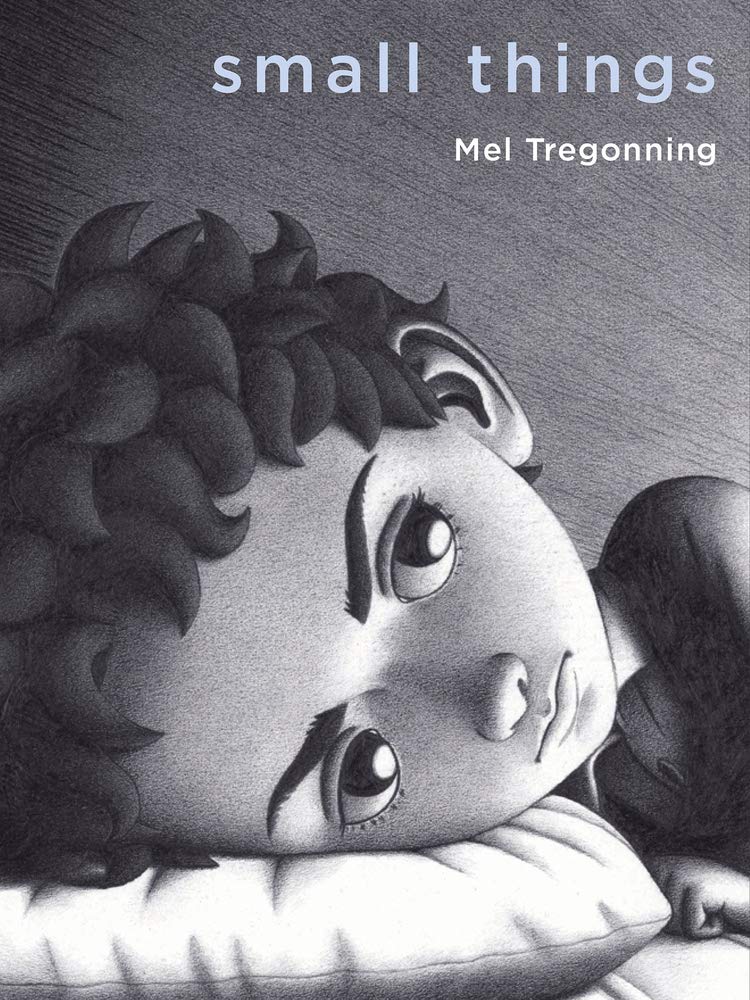
I’ve chosen a graphic novel for our older children, Small Things by Mel Tregonning, a hauntingly beautiful and deeply moving wordless graphic picture book that explores childhood anxiety with rare sensitivity and emotional depth that offers an honest portrayal of the internal struggles many children face, often in silence.

The story follows a young boy who appears to be slowly unravelling under the weight of his worries. He’s having trouble fitting in at school, his academic performance is slipping, and he finds himself becoming short-tempered, even towards the people who care about him. He feels completely alone. But what makes this book so affecting is that not a single word is used to tell his story. Instead, it is told through evocative, monochrome illustrations.

The boy’s anxiety is represented by shadowy, imp-like creatures that follow him everywhere. They cling to his back, crowd around his thoughts, and, most disturbingly, begin to nibble away at pieces of his body – a striking visual metaphor for how anxiety can feel like it’s eating away at one’s sense of self. It’s this imagery that captures the intense, often invisible toll mental health struggles can have on children, and it does so with startling clarity.

As the story progresses, the reader sees the boy slowly reach a breaking point — but then something shifts. Through a quiet act of kindness and connection, he begins to see that he’s not the only one surrounded by these worrying “creatures”. He notices that others, too, carry their own small demons, no matter how confident or put-together they may seem on the outside. This moment of realisation is gentle but transformative. It’s a reminder that we are never truly alone in our struggles, and that opening up can lead to healing.

Small Things offers a unique opportunity to start meaningful conversations about emotional wellbeing. It can be particularly valuable for children who find it difficult to express their feelings verbally. Reading this book together can open the door to discussing what anxiety feels like, how it might show up, and how we can support one another through it.

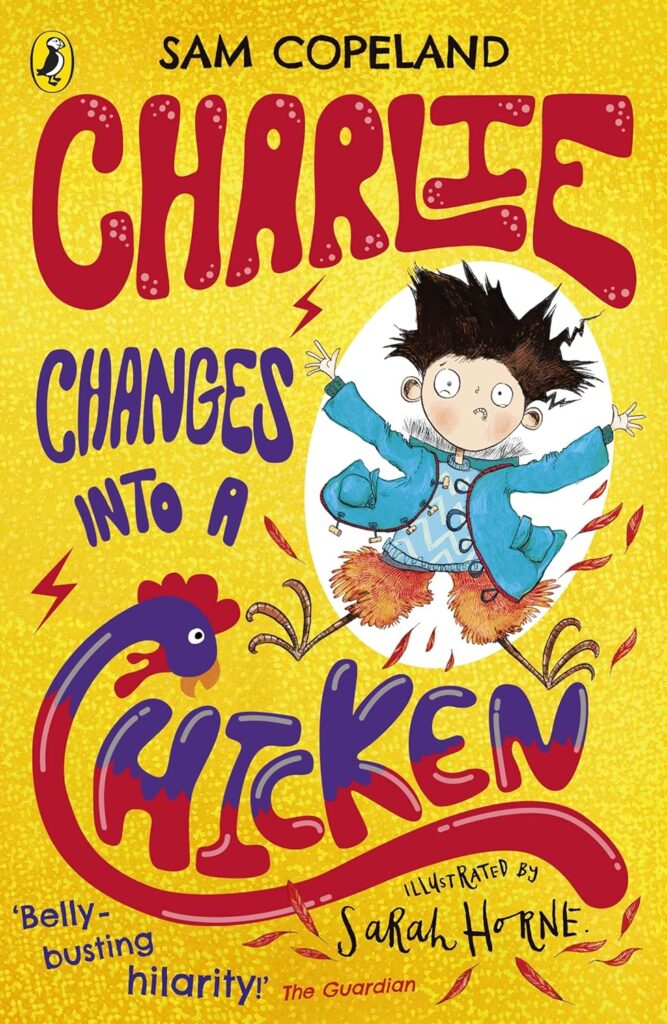
And finally, I’ve picked Charlie Changes Into A Chicken by Sam Copeland, a laugh-out-loud adventure with a surprising emotional core.

The story centres on Charlie McGuffin, a seemingly ordinary boy with a very extraordinary problem – he changes into animals when he gets anxious. One moment he’s himself, the next he’s a flea, a pigeon, or even a rhino. And the worst part? He has no control over it. His transformations happen at the most inconvenient times, like in the middle of a school play or when he’s trying to avoid the class bully.

While the story is absolutely hilarious (and children will delight in the unexpected animal moments), the book also explores serious issues with sensitivity. Charlie’s life is full of real worries; his older brother is seriously ill in hospital, and his parents are understandably stressed. Charlie tries to stay strong for everyone, bottling up his fears, which leads to the wild animal transformations. It’s a clever metaphor for how emotions can feel overwhelming when children don’t have the words or space to express them.

Despite the fantastical elements, the characters are grounded and relatable. Charlie is supported by a trio of loyal friends, the science-loving Flora, the practical Mohsen, and the hilariously blunt Wogan. Their friendship is a highlight of the book, demonstrating how empathy, humour, and teamwork can make all the difference in difficult times.

In addition to being fun and entertaining, Charlie Changes Into A Chicken subtly encourages children to talk about anxiety and feelings. It normalises the idea that it’s okay to worry, and more importantly, that it’s okay to ask for help. The book’s final message is one of hope, resilience, and the strength of both family and friendship.

Illustrated throughout with lively drawings by Sarah Horne, the book is visually appealing and accessible, even for reluctant readers. A wonderfully funny, thoughtful read that combines magical mayhem with emotional insight.

Happy reading!
Friday Library Recomendations: VE Day

Yesterday, we celebrated 80 years since Victory in Europe Day (VE Day). This week, I have chosen books that explain the importance of this day, and shine a spotlight of some of the hidden histories from that day and the lead up to it.

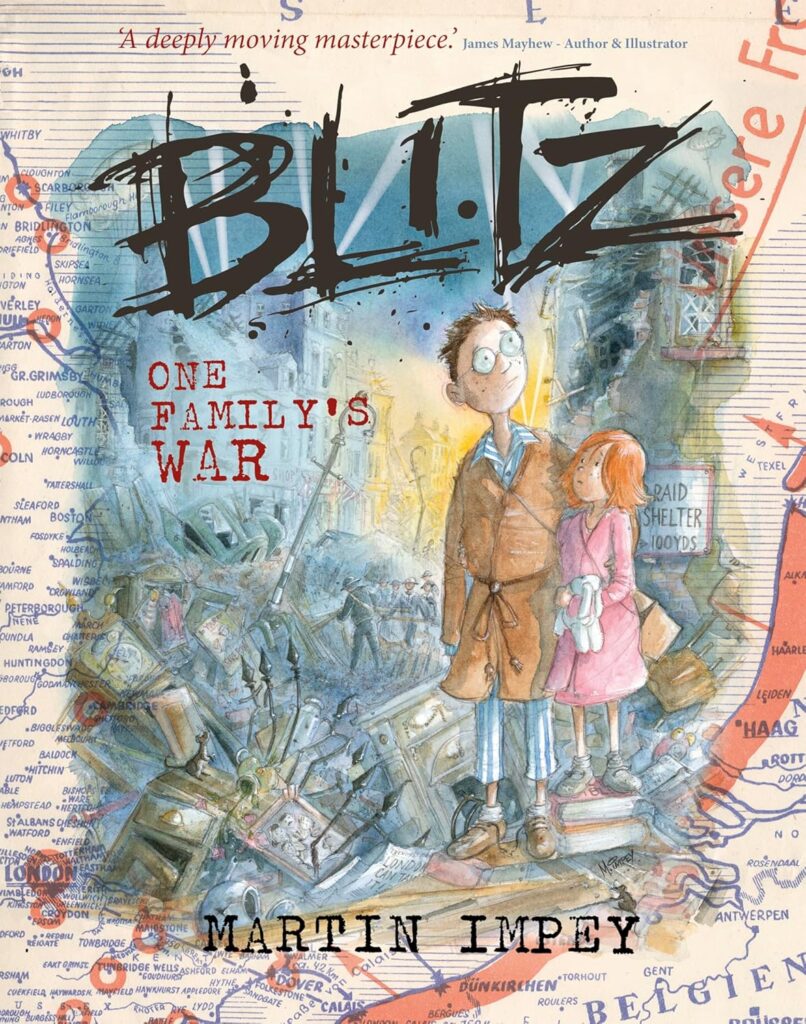
First, I have picked Blitz: One Family’s War by Martin Impey.

This powerful picture book tells the story of a young brother and sister growing up in the East End of London during World War Two. Through their eyes, we experience what it was like to live through the Blitz — from saying goodbye to their dad as he goes off to war, to hurrying into air raid shelters at night, not knowing if their home would still be standing in the morning.

The story is filled with emotion and real-life detail, brought to life by 247 beautiful illustrations. It helps young readers understand how ordinary families lived through extraordinary times, showing bravery, resilience, and the famous “keep calm and carry on” spirit.

This is a touching and thoughtful book that gives us a glimpse into the past — a perfect read for children wanting to learn about World War Two, and understand why VE Day was so celebrated.

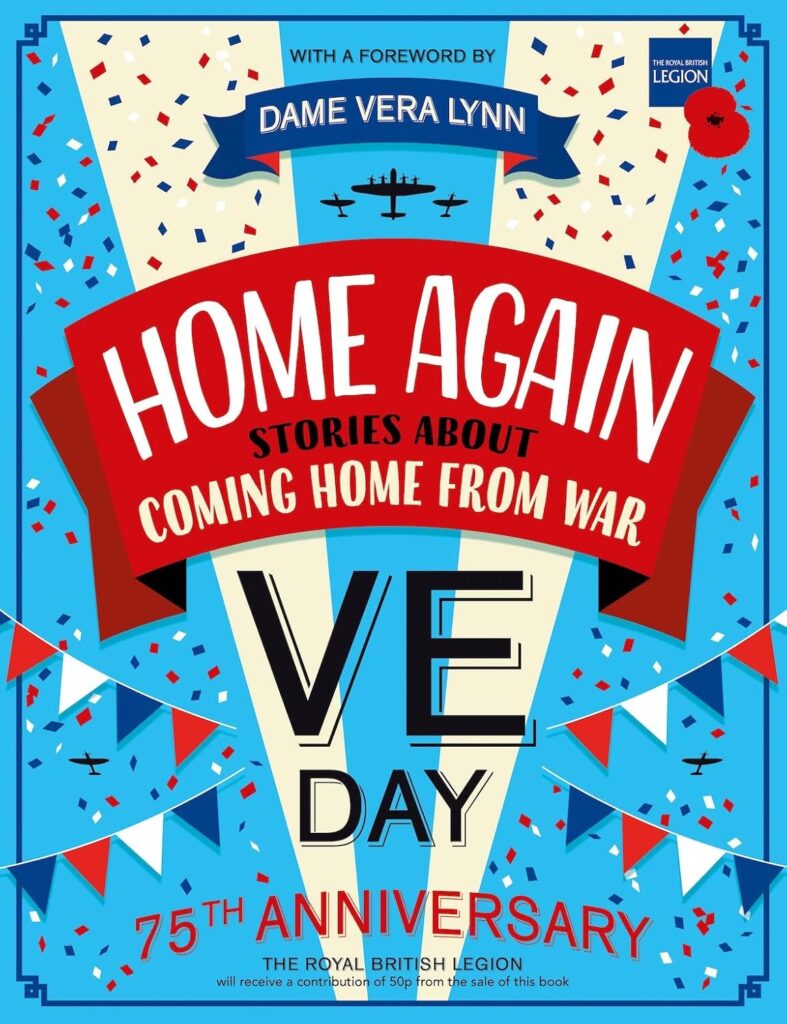
Next, I have picked Home Coming: Stories About Coming Home From War, originally published to celebrate the 75th anniversay of VE Day.

This moving and beautifully illustrated collection of short stories marks the 75th anniversary of VE Day through the eyes of those who experienced it. Home Again brings together twelve powerful tales of homecoming at the end of World War Two, written by well-known children’s authors including Bali Rai, Leila Rasheed, Tony Bradman and Jim Eldridge.

Each story offers a different perspective—from a child evacuee returning home, to a Bletchley Park codebreaker, an Indian Army soldier, and even a rebel fighter. The range of voices, including men, women and children from diverse backgrounds, helps bring this important moment in history to life in an accessible and thought-provoking way.

What makes this book particularly special is that every story is followed by a fact file packed with interesting details about the war, giving children the chance to explore the historical context further. I found Bali Rai’s “A Sense Of Home” resonated deeply having learned so much about the Coventry Blitz from my grandparents.

Carefully researched and emotionally resonant, Home Again is an excellent choice for Key Stage Two readers, supporting knowledge of our history while also encouraging empathy and reflection, making it a meaningful addition to any bookshelf.

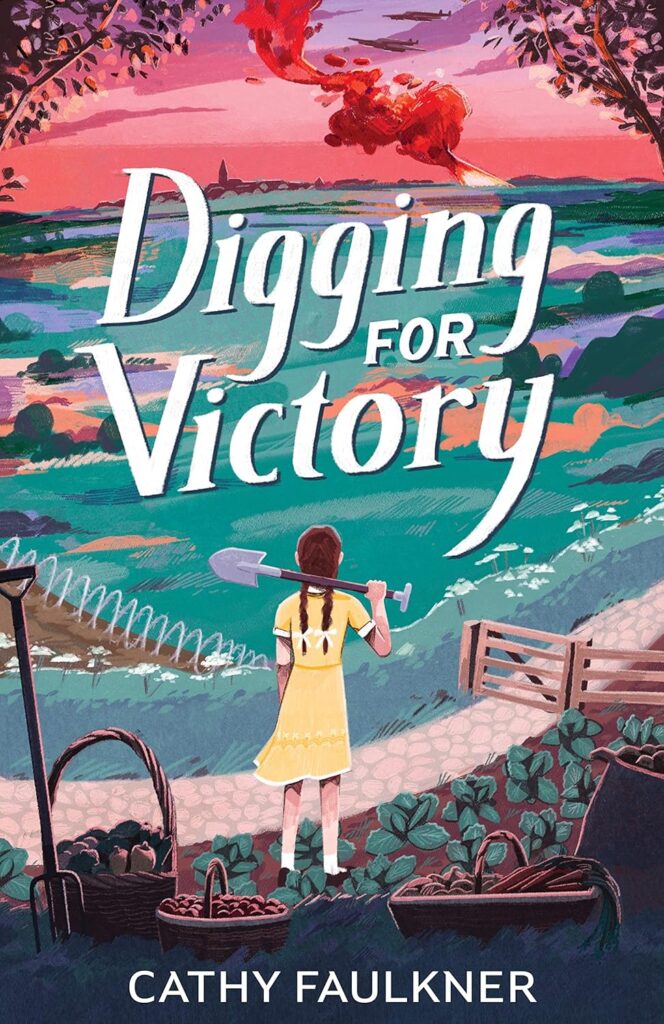
Finally, being a huge fan of a verse novel, I have chosen Digging For Victory by Cathy Faulkner.

Set in Devon during the Second World War, this powerful and moving story follows 12-year-old Bonnie, who longs to do something important to help the war effort—just like her big brother, Ralph. Instead, she’s expected to stay at home and tend the vegetable patch. But everything changes when a quiet and mysterious man, Mr Fisher, is billeted at their house.

Bonnie is sure he’s hiding something, and she’s determined to find out what. Is he just shy and awkward, or could he be avoiding the war on purpose? Even worse—could he be a German spy?

Told through beautifully crafted verse, which was thoroughly deserving of it’s Carnegie nomination, this gripping story is full of emotion, mystery and adventure. It’s ideal for children in Key Stage 2 who enjoy historical fiction, or for those looking to try something a little different. A truly rewarding read that’s perfect for sparking discussion.

Happy reading!

Friday Library Recommendations: Royal Society Young People’s Book Prize

We had the privilege, once again, of being chosen to form a judging panel for the Royal Society Young People’s Book Prize, which celebrates the best science books written for children each year. A group of children from Year 5 analysed and evaluated the shortlist, scoring each book on strict criteria before submitting our scores to be counted alongside all of the other panels. This week’s Friday Library Recommendations celebrate our top three shortlisted books.

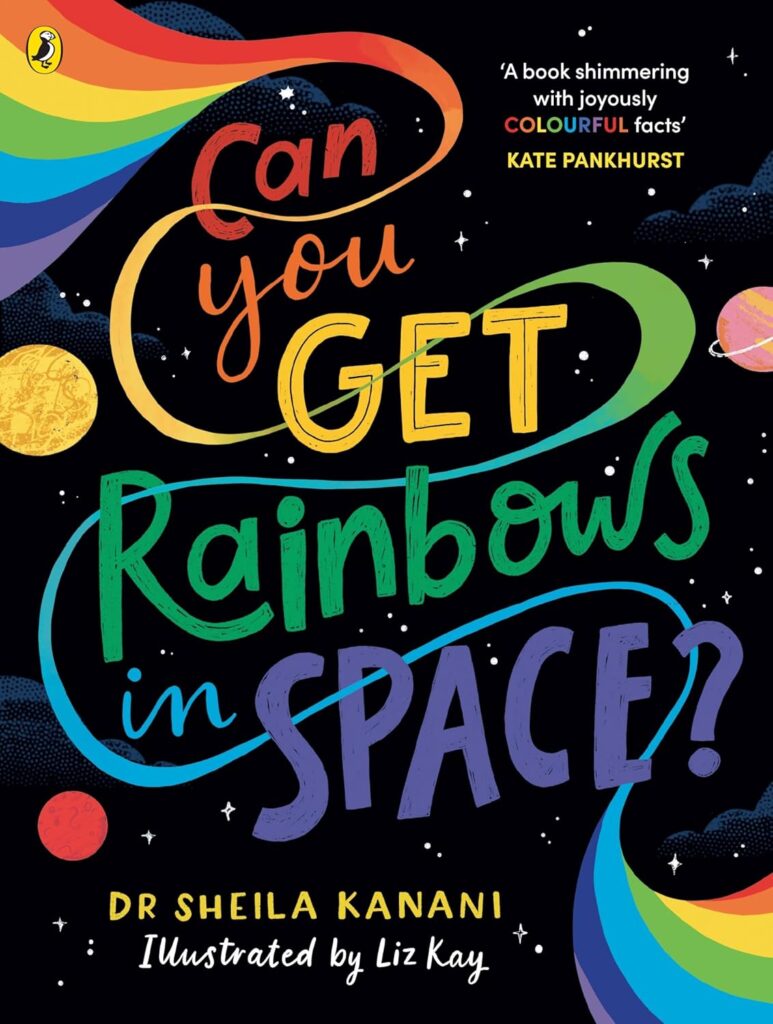
In third place, and the book that went on to scoop the prize was Can You Get Rainbows In Space? by Dr Sheila Kanani, illustrated by Liz Kay

A fascinating read for curious minds, Can You Get Rainbows in Space? offers an engaging exploration into the science of colour. Aimed at young readers, this book answers some of life’s most intriguing questions, such as: Why is blood red? Why are carrots orange? Who invented the lightbulb? And why is the sky blue?

Packed with fun facts and easy-to-understand explanations, the book delves into the world of light, waves, and colour, unraveling the science behind everyday phenomena. Children will discover how some animals glow in the dark, why leaves change colour in autumn, and why veins appear blue despite the blood they carry being red.

But it’s not just about what we see on Earth – young readers will also learn from Dr Sheila Kanani, a real astronomer, how rainbows can be made in space. The book even explores the fascinating link between language and the way we perceive colour.

Ideal for sparking interest in science, this book is an educational yet fun read that will inspire children to look at the world around them in a whole new light, and nurture their curiosity about the natural world.

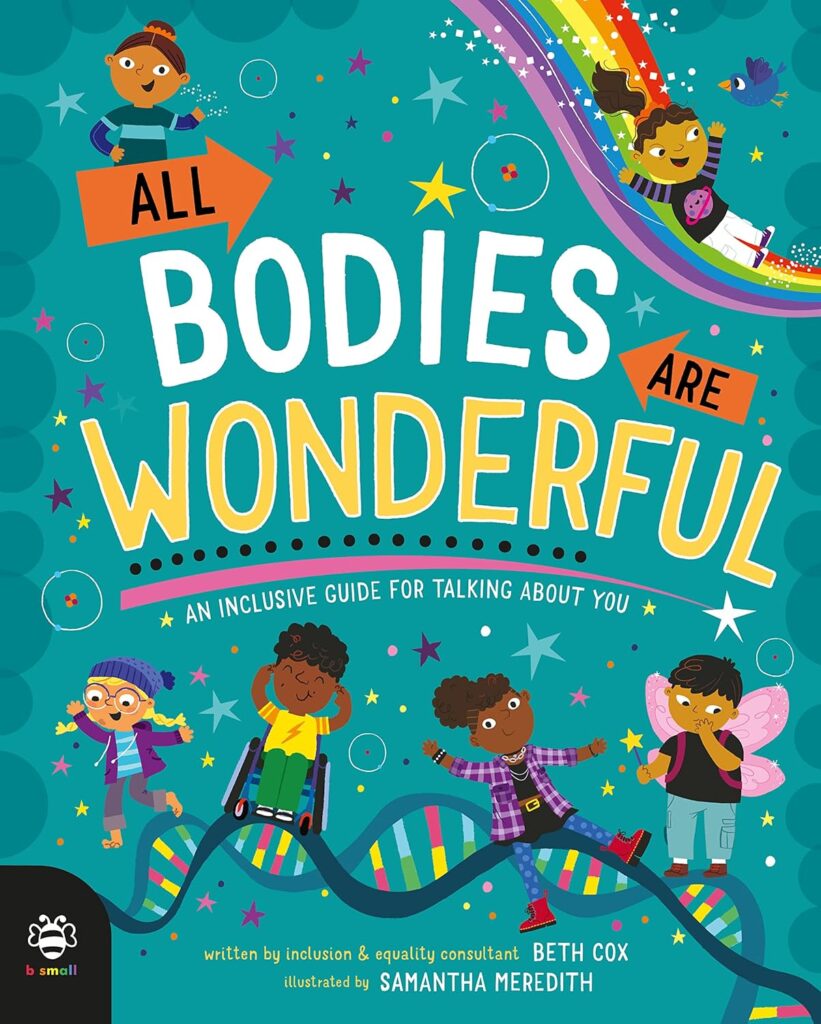
In second place, we picked All Bodies Are Wonderful by Beth Cox, illustrated by Samantha Meredith

A heartwarming and informative book designed to help children understand and appreciate their bodies. With a gentle approach, the book celebrates the uniqueness of every individual, highlighting that from the atoms that make us up to the incredible things our bodies can do, all bodies are wonderful.

In a world where children may sometimes feel self-conscious or unsure about their bodies, this book reassures them that being different is completely natural – it’s simply science at work! With an inclusive and empowering tone, it encourages children to embrace their bodies just as they are, fostering a sense of belonging and confidence.

Ideal for starting open, honest conversations about body diversity, this guide is a brilliant resource for supporting children to feeling comfortable and confident in their own skin. A must-read for anyone looking to nurture self-acceptance and promote positive body image from an early age.

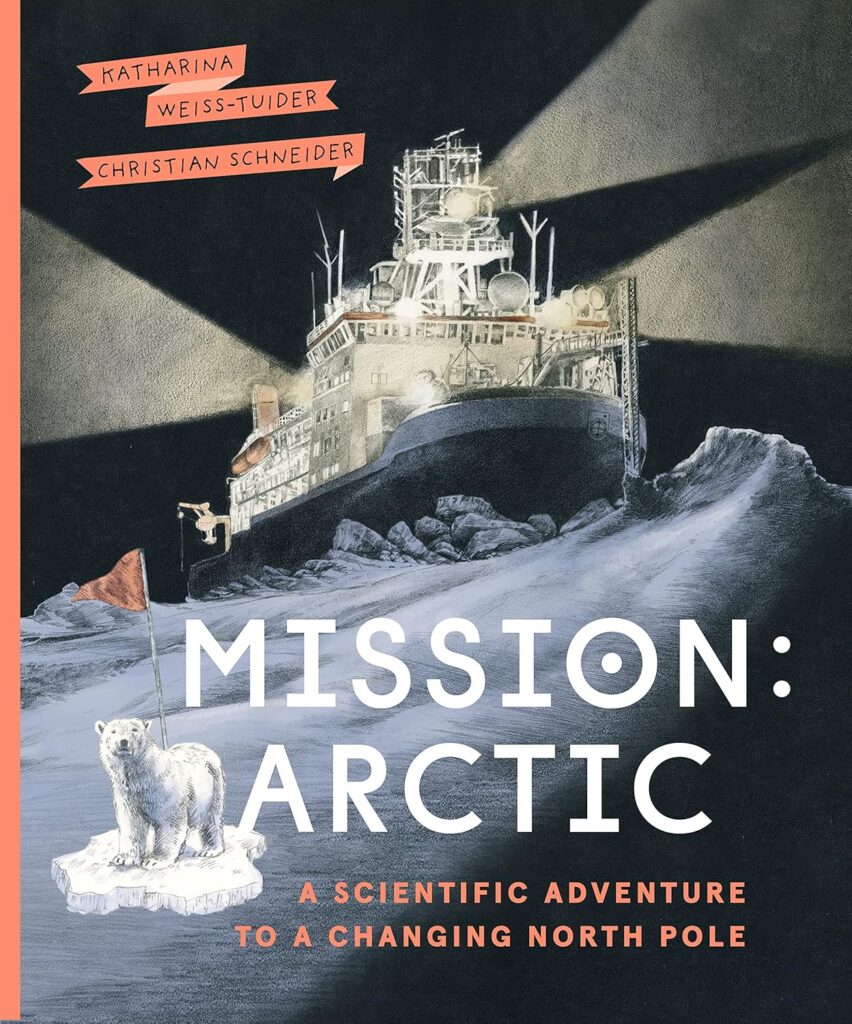
And finally, our first place book was Mission Arctic by Katharina Weiss-Tuider, illustrated by Christian Schneider

Mission: Arctic takes readers on a thrilling journey to the heart of one of the world’s most vital yet least understood ecosystems. This fascinating science-based guide follows the 2019 MOSAiC expedition, the largest Arctic mission ever undertaken, offering young readers a unique insight into how the Arctic is rapidly changing and the profound effects these changes could have on our planet.

Through gripping photographs, illustrations, and diagrams, children will learn about the scientists who embarked on this daring mission aboard the Polarstern, a powerful icebreaker research vessel. The expedition’s goal was to freeze the ship into the Arctic sea ice and allow it to drift towards the North Pole, collecting vital data about the rapidly changing environment. Along the way, they faced extreme temperatures, fierce storms, and the constant threat of polar bears.

This book is a treasure trove of exciting facts and discoveries about the Arctic, including the dangerous conditions endured by the scientists and the groundbreaking research they conducted. It highlights the surprising truth that the Arctic ice, once thought to be permanent, is melting at an alarming rate.

Mission: Arctic is an essential read young ecologists and environmentalists, offering a compelling look at how the Arctic’s transformation affects us all. With its engaging narrative and stunning visuals, it’s a brilliant resource to spark curiosity about climate change and the importance of understanding our planet’s ecosystems.

Happy reading!

Wellbeing Wednesday: Laughter

Tips For Wellness from Dragonfly: Impact Education

A day without laughter is a day wasted – Charlie Chaplin

Laughter is truly the best medicine and can have a hugely positive impact on our mental health. There are even laughter workshops and laughter coaching emerging in many places.

Why is laughing so good for us?

Laughing releases endorphins and relaxes your body and mind. Even if not engaging in full on laughter, smiling relaxes the mind and body. One interesting study suggested that it is actually the belief that the happiest people increase their wellbeing because they smile more frequently.

Our top tips for making the most of smiling and laughter:

  1. Keep It Real! Not all smiles are equal! In 1862, anatomist G B Duchenne noted that a muscle which surrounds the eye is only used in smiles that are real and not those that are posed. It’s these real smiles and laughter than release the endorphins so find things that genuinely make you happy!
  2. Find What Works For You: Our sense of humour is very individual. Some people like slap-stick humour whilst others prefer witty repartee! Don’t feel any pressure to follow the crowd but rather experiment with lots of types of comedy until you find something you like.
  3. Your Thoughts Matter: It’s really difficult to genuinely laugh or even smile if our thoughts are unhappy, so try to challenge negative thinking. Reframe this kind of thinking to positive (or neutral) thoughts and smile. This sends a signal to your body that everything is OK. It can be helpful to have a bank of happy thoughts that you bring to mind if you catch yourself in a negative spiral – things that always make you feel positive: loved ones, pets, beautiful experiences or views

Please contact [email protected] for information and advice about mental health and well-being for your child and your family.

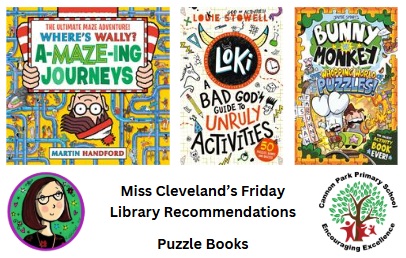
Friday Library Recommendations: Puzzle Books

I am a huge fan of puzzle books, and it’s great to see new ones hitting bookshop shelves based on some of our favourite characters.

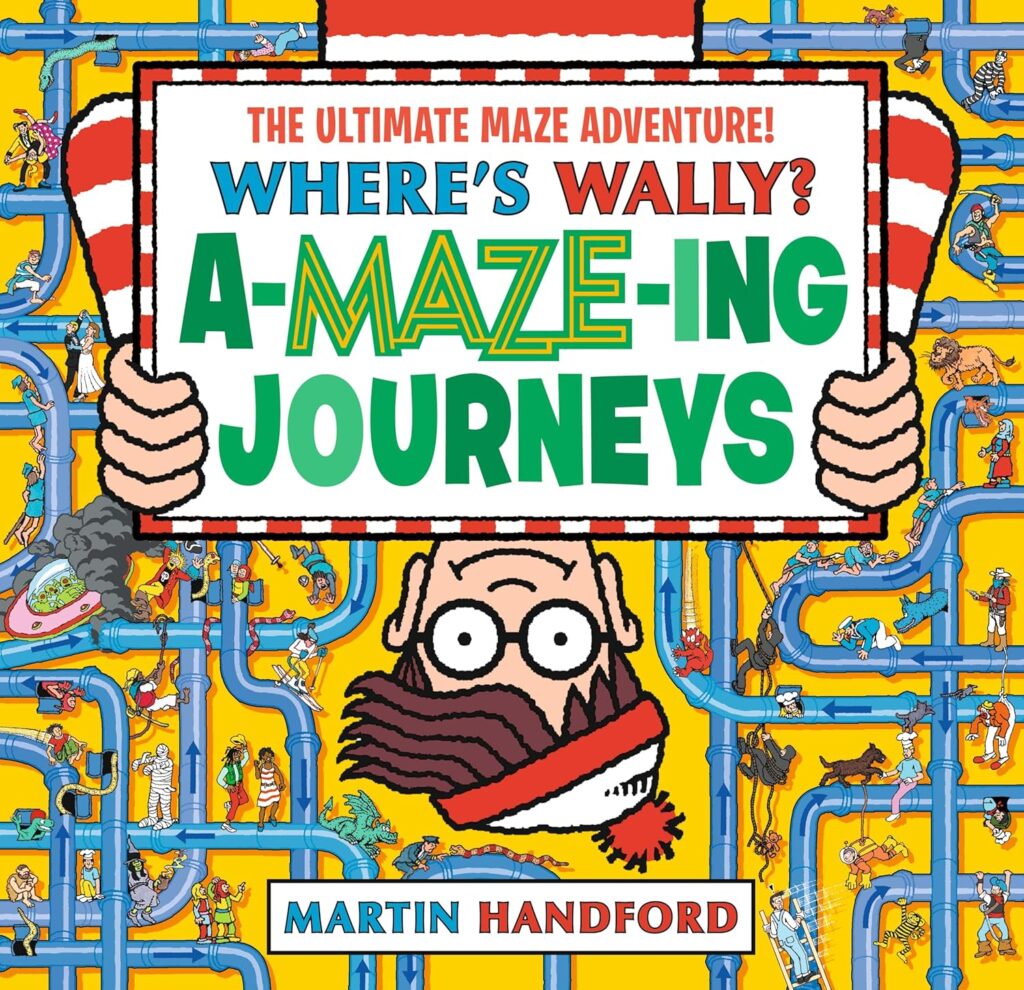
Where’s Wally? A-maze-ing Journeys by Martin Handford

A must-have addition to any young puzzler’s bookshelf. Now available in paperback, this delightful maze-filled journey promises hours of entertainment as young adventurers accompany Wally on a truly unique exploration.

With over 60 maze routes to uncover, the book takes readers through eleven captivating scenes, each more mind-boggling than the last. From art galleries to a bustling sweet factory, a space centre, and even Wallywood, each location is a maze in itself, packed with twists, turns, and plenty of fun distractions. Kids can trace their fingers through the labyrinths, solving the maze challenges, and searching for hidden objects along the way.

In addition to the main mazes, there are mini-mazes and extra searches scattered throughout, adding even more layers of adventure. From groovy discos to fantastical journeys, Wally’s world is as exciting as it is perplexing.

This book is an excellent choice for young puzzle enthusiasts, combining problem-solving skills with the thrill of discovery. Perfect for children who enjoy exploring, learning, and—most importantly—having fun!

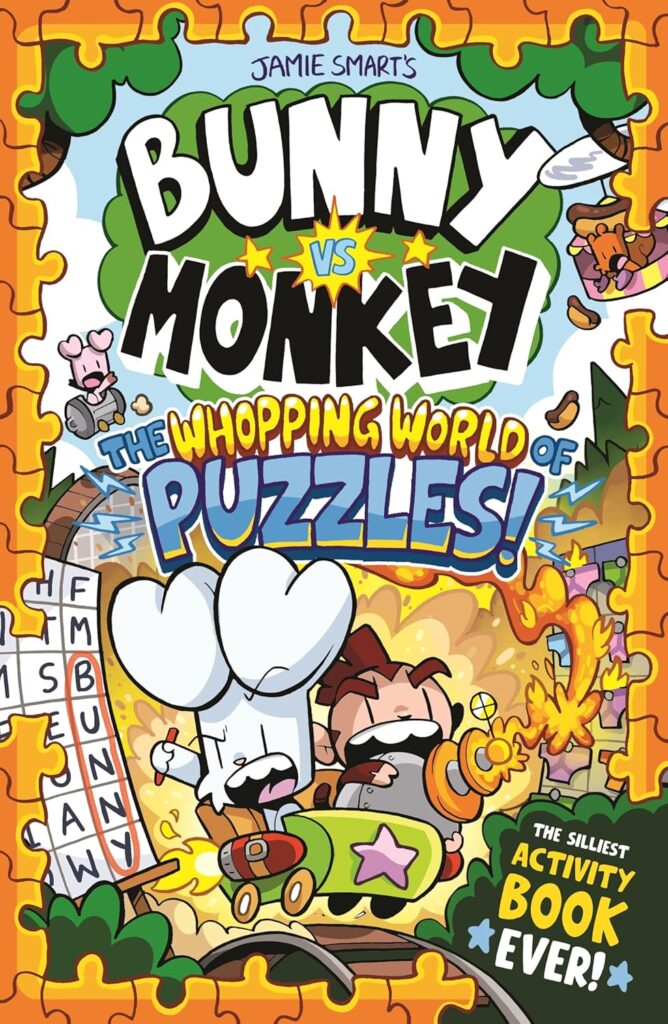
Bunny Vs Monkey: The Whopping World Of Puzzles by Jamie Smart

The beloved Bunny vs Monkey series continues with a fantastic new addition that promises hours of interactive fun for children! In this latest book, Bunny, Monkey, and their gang stumble upon a secret theme park hidden deep within the woods, and what follows is a thrilling competition where you become part of the adventure.

Packed with a variety of engaging activities such as wordsearches, puzzles, and mazes, this activity book is designed to keep young minds entertained while offering plenty of laughs along the way. Whether you are solving challenges or joining in the fun with Bunny, Monkey, and the rest of the characters, there’s something for everyone. It’s a wonderfully creative way to keep busy, and this book is sure to be a favourite!

An absolute must-have for fans of the series and any child who loves interactive activities.

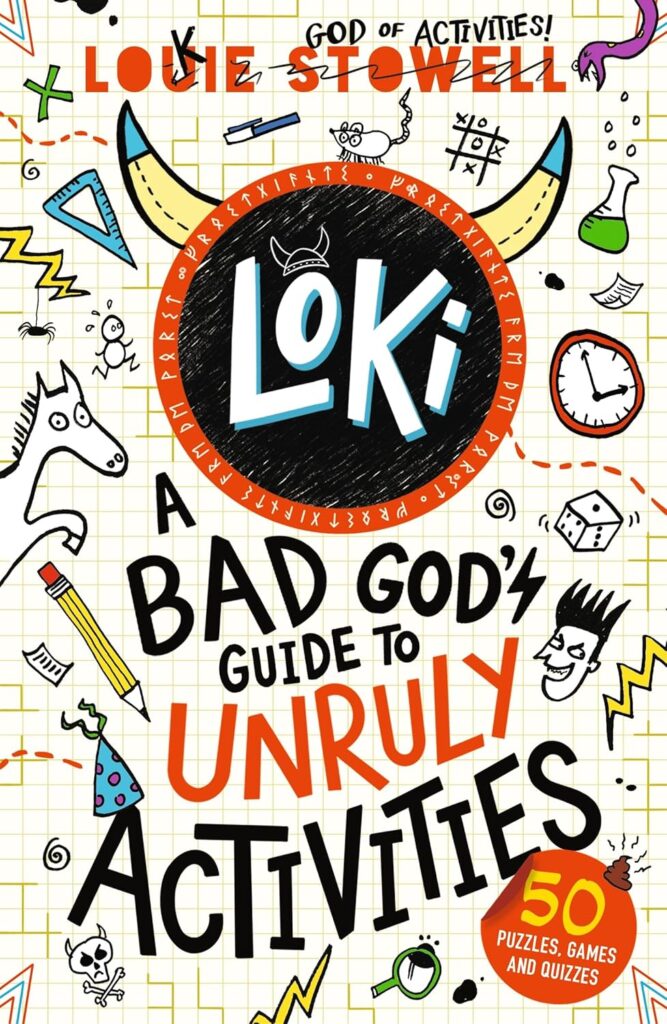
Loki: A Bad God’s Guide To Unruly Activities by Louie Stowell

If you are a fan of the mischievous Loki, then this fun-filled, interactive book is sure to keep you entertained for hours. A brilliant new addition to the series, it combines short stories, quizzes, puzzles, and a host of activities that are perfect for curious minds.

The book kicks off with Loki’s latest escapade: after pulling one too many pranks involving… well, let’s just say ‘poo’, Heimdall challenges him to find a more creative (and less messy) way to pass the time. Naturally, Loki is up for the task! With a bit of help from his friends, Valerie and Georgina (and, of course, Thor, who is definitely not one of Loki’s friends), he creates a collection of fun and sometimes cheeky activities.

You can try your hand at quizzes about Norse mythology, including a rather tricky one with Valerie and a much easier one with Thor. You can also decipher secret codes, and even hunt for Loki in various animal disguises. There is even an Insult Generator to craft witty (and humorous) remarks that is for out of school use only. Throughout it all, there are promises of those tantalising stories Loki has always been too busy to tell.

Packed with clever, light-hearted activities, this book is perfect for readers who love to engage with their favourite characters in a more interactive way. Whether solving puzzles or enjoying Loki’s mischief, this book is a brilliant boredom buster.

Happy reading!

Wellbeing Wednesday: Stress Awareness

Tips For Wellness from our Mental Health In Schools Team

Stress Awareness

Stress is what you feel when you’re worried, nervous, or under pressure. It’s your body’s way of
reacting to things that feel difficult, scary, or too much to handle. Everyone feels stressed sometimes!
Stress can come from lots of things, such as:

  • School – too much homework, exams, or feeling like you have to do really well.
  • Friends – disagreements/ arguments, bullying, or feeling left out.
  • Family – disagreements/ arguments, moving house, or changes like a new baby in the family.
  • Big Changes – starting a new school, growing up, or losing someone you care about.

Some stress can be good, but too much can cause us to feel anxious or depressed, which might
affect our sleeping, eating habits and general wellbeing. If stress is going on for a long time, we may
also experience ‘burnout’, which is when our body is exhausted and has not had a chance to rest.
There are things we can do to help our body recharge and reduce stress:

Our tips for managing stress:

  • Talk to someone you trust. This helps you not to feel alone, because someone is there to listen
    to you and to care. Remember – it’s okay to ask for help!
  • Stress bucket activity – follow the QR code/link to complete your own stress bucket. This may
    help you to see what is contributing to your stress, as well as what helps you to feel calmer.
  • Moving your body can help to release stress and make you feel good. Why not try dancing to
    your favourite song or going for a walk with friends or family?
  • Get creative – Art has been found to help people feel present in the moment and reduce the
    feeling of stress and worry. Follow the QR code/link for more information!
  • Create a calm corner – It is important to have somewhere that you feel safe, and you could go
    there when you feel like you need a break. You could fill the corner with soft things like pillows
    and blankets, and is the perfect place to read, draw, or even listen to calming music!

Please contact [email protected] for information and advice about mental health and well-being for your child and your family.

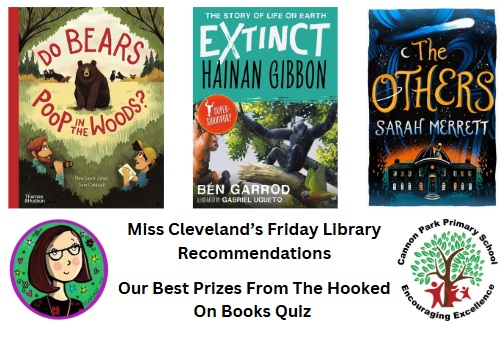
Friday Library Recommendations: Book Quiz Prizes

This year, our Year 5 & 6 Hooked On Books Quiz Team triumphed, beating all of the competition with their knowledge of this year’s shortlisted books. They answered questions on animals, names, numbers, food and drink, places, and other general knowledge, winning school a fabulous haul of books. This week, I’m sharing my favourites from our prize box.

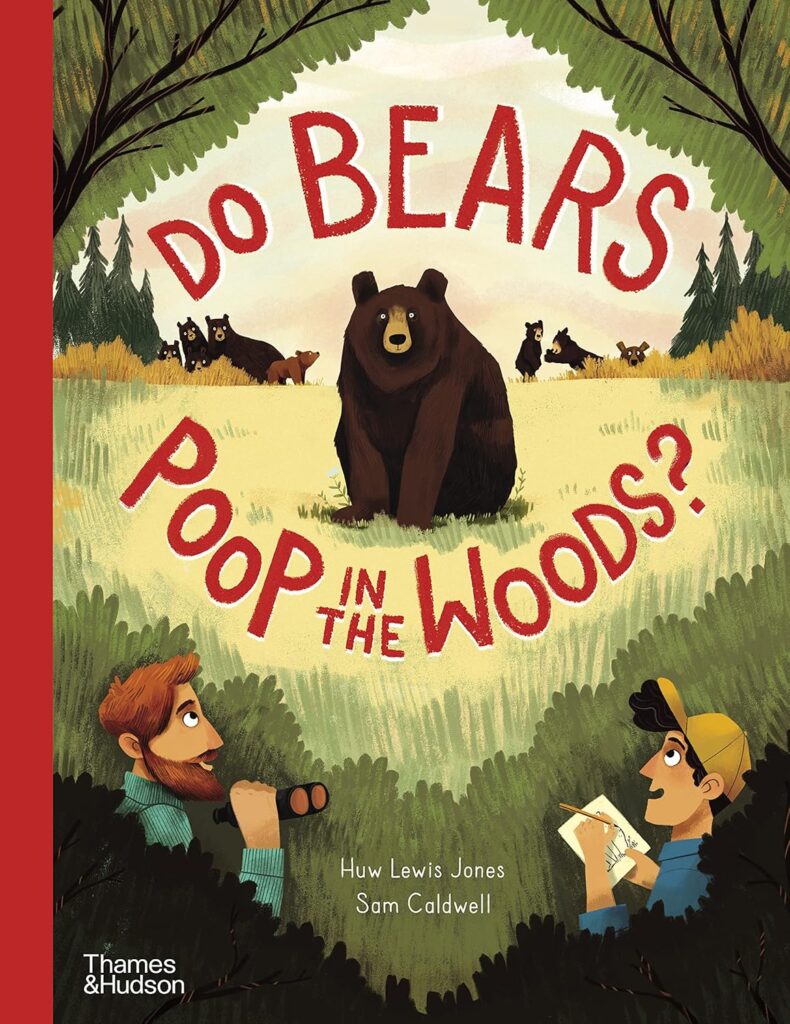
For our younger readers, I’ve picked a fabulous non-fiction picture book, Do Bears Poop In The Woods by Huw Lewis Jones and Sam Caldwell

A fascinating and engaging field guide that takes readers on an exciting journey through the wild to uncover the wonders of eight different species of bears. Aimed at young explorers, this book offers a perfect blend of information and adventure, making it an ideal read for families interested in wildlife and conservation.

In this informative guide, Huw Lewis Jones introduces us to the world of bears, from the iconic panda and polar bear to the lesser-known sun bear and sloth bear. With the help of the expert field guide, children will learn how to identify these incredible creatures, and discover fascinating facts such as why bears poop so much, how to stay safe in bear territory, and the crucial ways we can help protect these magnificent animals.

Not only does this book teach about the lives of bears, but it also highlights the importance of conserving their habitats and understanding their unique needs. With its engaging narrative, fun facts, and beautiful illustrations, it is a must-have for nature-loving families and young readers eager to explore the wild.

So, lace up your walking boots, grab your binoculars, and set off on an unforgettable adventure into the world of bears. It’s both educational and entertaining, making it a perfect addition to any child’s reading list.

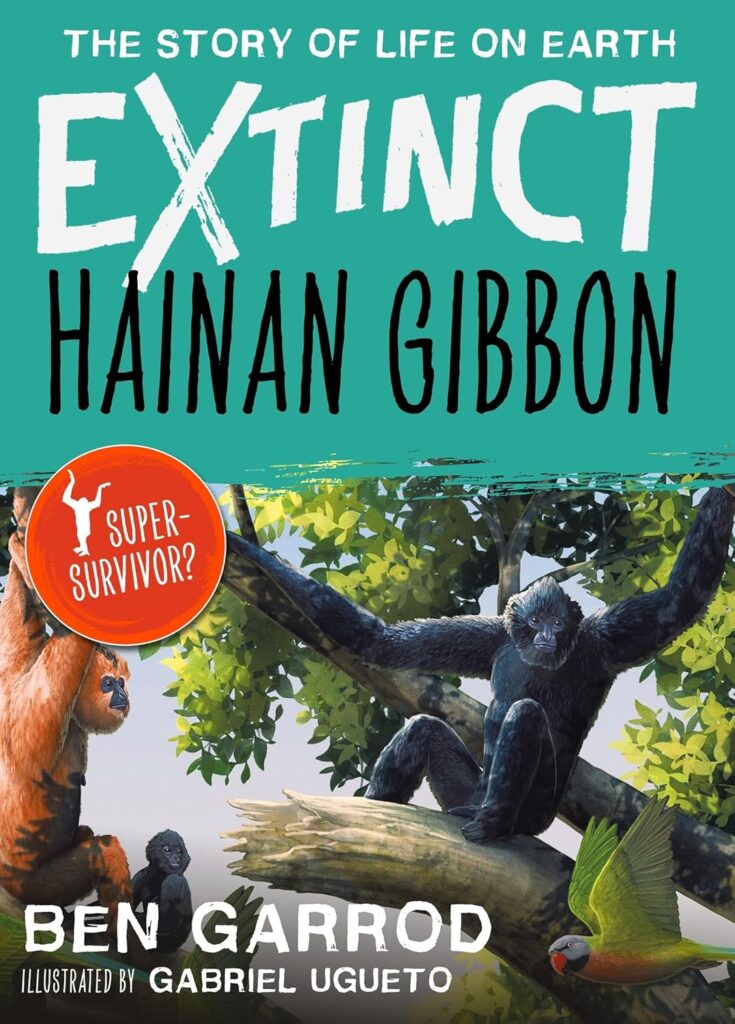
For our more confident readers, I’ve chosen another non-fiction title, Extinct: Hainan Gibbon by Ben Garrod, illsutrated by Gabriel Ugueto

TV scientist, Ben Garrod, presents an eye-opening exploration of extinction through the lens of one of our closest living relatives; the critically endangered Hainan gibbon. This book offers a compelling look at how evolution’s most remarkable creatures have survived the most destructive forces of nature, and how some are now on the brink of disappearing forever.

Ben Garrod’s unique approach makes complex scientific concepts accessible and exciting, showing how extinction has shaped life on Earth. The book asks a crucial question: can we help the Hainan gibbon become a ‘super-survivor’? With only a handful of these primates left, Ben challenges readers to reflect on our role in the story of life, encouraging us to move from being careless bystanders to active ‘super-savers’ – individuals who take responsibility for preventing the extinction of species we share the planet with.

Whether you’re a child or an adult, Extinct: Hainan Gibbon makes science fun and relevant, inspiring hope and action for the future. Ben’s thought-provoking message about conservation and the need for urgent action is both a call to awareness and a celebration of the incredible animals we still have the chance to protect. This book is a must-read for families interested in wildlife, conservation, and the importance of preserving our planet’s biodiversity.

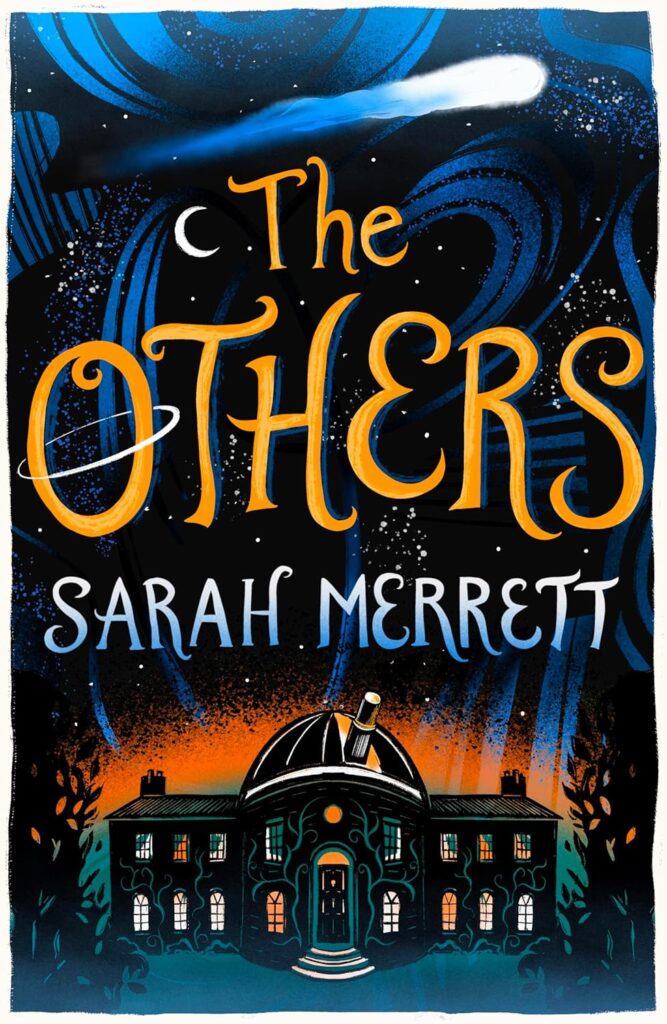
And finally, for our oldest readers, I’ve selected The Others by Sarah Merrett

An exciting historical sci-fi adventure that will captivate young readers and spark their imaginations. Set against the backdrop of an observatory, the story follows Reuben, a boy living with his astronomer grandmother, who is determined to win the Guzman Prize — a prestigious award for discovering and contacting extraterrestrial life. However, Grandma faces fierce competition from the sinister Professor Pinfield, whose mysterious intentions could put everything at risk.

Reuben, though confined to the observatory, sneaks out one day and encounters an alien he names Blue. What follows is a thrilling race against time as Reuben must protect Blue from the evil professor while also unraveling the mystery of his own identity.

This fast-paced, action-packed novel combines elements of science fiction with historical intrigue, making it an engaging read for children. Sarah’s storytelling is rich in suspense, and the characters are both relatable and intriguing. Reuben’s bravery and determination shine through, and the themes of loyalty, courage, and discovery are woven throughout the story.

The Others is a fantastic choice for readers looking for an adventurous, thought-provoking book that blends science fiction with a historical twist. It will undoubtedly inspire curiosity about space, science, and the unknown, while keeping readers on the edge of their seats. A must-read for fans of adventure and mystery!

Happy reading!

Friday Library Recommendations: CIBA Runners Up – Week 2

It’s our final week celebrating the amazing books shortlisted for this year’s Coventry Inspiration Book Awards, and we look at what to read next if one of these runners up was your favourite book.

What’s The Story? – Flower Block by Lanisha Butterfield, illustrated by Hoang Giang

When Jeremiah plants a packet of sunflower seeds, the very last thing he expects is for the vines and leaves to grow overnight and burst through the ceiling of his apartment.  As Jeremiah and his brother chase the magical plant up through the floors of their tower block home, they discover an array of curious neighbours who join in the adventure. But what could be waiting for them at the top of the building? And will Jeremiah find his voice to help the neighbours discover the true magic hidden within these sunflower seeds? 

If this was your favourite book, try Omar, The Bees And Me by Helen Mortimer, illustrated by Katie Cottle

In a world full of complex environmental stories, Omar, The Bees and Me offers an uplifting and accessible take on sustainability for young readers. With a focus on the importance of protecting nature, this delightful book encourages children to plant wildflowers and create bee corridors in their local communities.

The story follows Omar, a new boy from Syria, who befriends Maisie as they embark on a journey to help the bees. Through their growing friendship, themes of cultural identity and belonging are explored, offering a heartwarming message of inclusion and collaboration.

Katie Cottle, the award-winning illustrator behind The Green Giant and The Blue Giant, brings the story to life with her stunning artwork, making the book as visually captivating as it is meaningful. The book also includes fascinating bee facts on the endpapers and a delicious honey cake recipe on the final page, perfect for encouraging young readers to engage further with the story.

A gentle and joyful read, Omar, The Bees and Me is a wonderful resource for parents looking to introduce children to sustainability, cultural diversity, and the magic of nature.

Telling Tales – Hercules by Tom Vaughn, illustrated by David O’Connell

If Hercules Braver is going to survive his new secondary school, he has to live up to his name, fast. He needs to become strong and tanned and popular, like a Greek hero. Not weak and pale and unpopular, like a Greek yoghurt. But his bid for popularity ends up saddling him with a set of impossible tasks… like cleaning out the monster-riddled school pond, facing up to the school bully and finding the headmaster’s missing cat. Then Herc’s charming, impressive birth dad turns up after years living in Greece, and Hercules thinks his problems are solved. With God-like strength and awe-inspiring powers, could his dad even be … the real Zeus?! And will Hercules learn what it truly means to be a hero?

If this was your favourite book, try Loki: a bad god’s guide to being good by Louie Stowell 

Get ready to laugh out loud, a lot, as we meet Loki as he would never want to be seen in this anarchic adventure.

After one prank too many, trickster god Loki is banished to live as a “normal” school boy. If he can show moral improvement within one month, then Loki can return to Asgard … and if he can’t? Then it’s eternity in a pit of angry snakes. To keep track of his progress, Odin has handed over this magical diary in which Loki is forced to confess the truth. (Even when that truth is as ugly as a naked mole-rat.) As if moral improvement and the indignities of school weren’t challenging enough, Loki is banned from using his awesome godly powers and (even worse) must put up with Thor tagging along and making him look bad. Anyone reading Loki’s diary is about to learn that this is one god who hasn’t a clue how to tell good from bad, trust from tricks, or friends from enemies…

As he writes in his truth journal, we see him battle against and then come to accept the challenge he has been set to save himself from an eternity of torture. I loved the journal’s responses to his lies and self-beliefs. Poking fun at modern day life, sharp observational humour is used to great effect to show our anti-hero evaluating his fate at Odin’s hand.

Louie’s hilarious doodles and cartoons show the inner workings of our god turned boy’s mind as we see him struggle with concepts like living in a mortal body in a mortal’s house, what a conscience is and feelings like guilt bubbling to the surface. His understanding of friendship grows slowly as he gets to grips with school, smartphones and mortal snacks.

With plenty of hints at the legends that surround Loki scattered liberally throughout the book, there is plenty to spark curiosity in readers about the Viking’s Trickster God and his family in Asgard.

Hooked On Books – Kofi And The Rap Battle Summer by Jeffrey Boakye

Kofi had an idea… one big lightning bolt of an idea that hit him like electricity. And all it needed was Kelvin’s incredible memory for words.

Kofi is used to stuff going wrong, he’s usually in detention or about to be. But when he finds out his best friend Kelvin has a photographic memory, he comes up with a genius money-making scheme. The whole school is obsessed with music, but no one can ever make out the words, so the boys hit the jackpot selling a new fanzine full of song lyrics: PAPER JAM. It’s not long before one of the teacher’s tells Kofi: ‘You could be a real leader at this school, you know that?’ and . . . suddenly it’s turning out to be the best summer ever!

If this was your favourite book, try The Adventures Of Rap Kid by MC Grammar

Get ready for a laugh-out-loud adventure with the first book in a brilliant new series from the multi-award-winning teacher and World Book Day Ambassador, MC Grammar!

Meet Z, a boy who only speaks in rhyme. Teased at school for his unusual way of talking, Z is known as “Zero” – not because he has nothing to say, but because he says nothing at school! But Z is about to find his voice in a big way. When the Royal Rap Rumble comes to town, searching for the next rhyming rap legend, Z is given the chance to show the world what he’s made of. With the help of his super-cool English teacher, Mr G, his best friend SFX, and a hip-hop makeover, RAP KID is born!

Can Z become the G.O.A.T. (Greatest of All Time) and take home the coveted golden mic? The stage is set for an epic rap battle, and the vibes are about to get real!

Filled with humour, heart, and an infectious energy, The Adventures of Rap Kid celebrates the power of words, creativity, and the importance of friendship. This fun and inspiring story is perfect for young readers who love a good rhyme and are ready for a rap-packed adventure!

Happy reading!

Friday Library Recommendations: CIBA Runners Up Week 1

Every year, there are two books left over once the winners have been announced, so for the next two weeks, we’ll be celebrating the runners up from this year’s Coventry Inspiration Book Awards.

What’s The Story – Watch Out There’s A Monster Coming by Karl Newson, illustrated by Zerah Hicks

Monster is HUNGRY, and he’s coming to find… YOU! He creeps through the streets, hunting for his favourite snack. You’d better hide, because you know what he likes to eat. Something tasty, something sweet. It’s…  CAKE, of course!

This is a true thrill-a-minute for the very littlest ones in your life, from picture book favourites Karl Newson and Zehra Hicks.

The Lamb Who Came For Dinner by Steve Smallman, illustrated by Joelle Dreidemy

The first book in the delightful and popular The Lamb Who Came for Dinner series, written by Steve Smallman and illustrated with warmth and charm by Joëlle Dreidemy, is a perfect read for young children.

In this heartwarming story, an old wolf, feeling quite hungry, gets an unexpected visitor: a little lamb. Initially, he plans to make a hotpot out of her, but the lamb has other ideas. Rather than becoming the wolf’s dinner, she offers him something far more valuable—friendship.

This beautifully illustrated tale not only entertains but also encourages children to challenge stereotypes and highlights the importance of friendship and family. It’s a lovely story that teaches young readers the value of kindness and acceptance.

Be sure to explore the other books in this wonderful series, each packed with fun, heart, and important life lessons. A must-read for young minds!

Telling Tales – The Narzat by Luke Marchant, illustrated by Rory Walker

The Narzat lives in the Ungle Bungle Jungle with his friends the Looky Looky Lizard (a feisty reptile who communicates through sign language) and the Chatty Chiwunga (a comically talkative bird who never shuts up). Little is known about how the Narzat arrived there, but he wears a necklace bearing a meaningful inscription.  The Ungle Bungle Jungle is full of animals you’d love to meet but some, like the roaring Ravenoserous are absolutely lethal. One day two villains arrive, Lord and Lady Snide armed with guns and a fierce desire for furs and the Narzat’s necklace.

If The Narzat was your favourite, look out for the next book in the series, publishing in May. While you’re waiting, try The Beast And The Bethany by Jack Meggitt-Phillips, illustrated by Isabelle Follath

The Beast and the Bethany is a delightfully dark and humorous story that is sure to become a modern classic. With a touch of macabre humour, warmth, charm, and a sprinkle of the gleeful madness, this book will quickly capture the imaginations of young readers.

The story follows Ebenezer Tweezer, a 511-year-old man who keeps a dangerous beast locked away in his attic. In exchange for feeding the beast various oddities, such as performing monkeys, his pet cat, and the occasional cactus, Ebenezer receives gifts and potions that keep him eternally young and beautiful. But as the beast becomes greedier and gredier, it soon demands something much more sinister: a child. Enter Bethany, an orphan who’s not quite the average victim Ebenezer expects.

Filled with quirky characters and plenty of laugh-out-loud moments, this book is perfect for children who love dark and twisted tales, and will have young and old readers alike eagerly turning the pages!

Hooked On Books – Stitch Head by Guy Bass, illustrated by Pete Williamson

In castle Grotteskew something BIG is about to happen…to someone small. Join a mad professor’s forgotten creation as he steps out of the shadows and into an adventure of an almost-lifetime… In the maze-like dungeons of Castle Grotteskew, the frightfully insane Professor Erasmus conducts his bizarre experiments on living things. His very first creation has long been forgotten – a small, almost-human creature, known only as Stitch Head. Poor Stitch Head has spent years vying for attention amongst a menagerie of freakish monsters.

If this was your favourite, try The Maker Of Monsters by Lorraine Gregory

Brat lives in the isolated castle serving Lord Macawber, the man who saved his life and took him in. His only friends are his master’s first failed creations, Sherman and Tingle. When the more successful creatures, the vicious, terrifying ones locked up deep within the castle escape, it’s up to Brat to save not only his friends but the rest of the world, across the sea.

Brimming with heart, humour and horrifying monsters, The Maker Of Monsters is a multi-layered, mesmerising dystopian fantasy, and an epic adventure, all packed into a short read.

The war ravaged wastelands of Niyandi Mor are made devastatingly real, as are Lord Macawber’s creatures. But the stars are Brat, Sherman and Tingle. What Brat lacks in self-esteem, Sherman and Tingle more than make up for in their more carefree outlook on life (as long as no meanie-stinkers are around). Brat’s inability to see the good in himself makes it so much harder for him to accept the help he needs or to believe that he can achieve the task he’s been set. His perseverance and determination to succeed have you rooting for him from the very first page until the very last, and beyond.

Brat is one of those characters that stays with you long after you’ve turned the last page, the kind you find yourself wondering how life is going for them. I hope he’s happy somewhere.

Themes of power and corruption, love and loss, and self-worth and the monster we carry with us run subtly beneath the action packed plot. It’s a fabulous book that I will be recommending far and wide.

Happy reading!

Scroll to Top