Author name: Mrs Cleveland

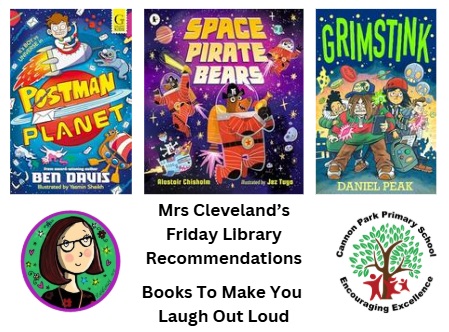
Friday Library Recommendations: Laugh Out Loud Funny Books

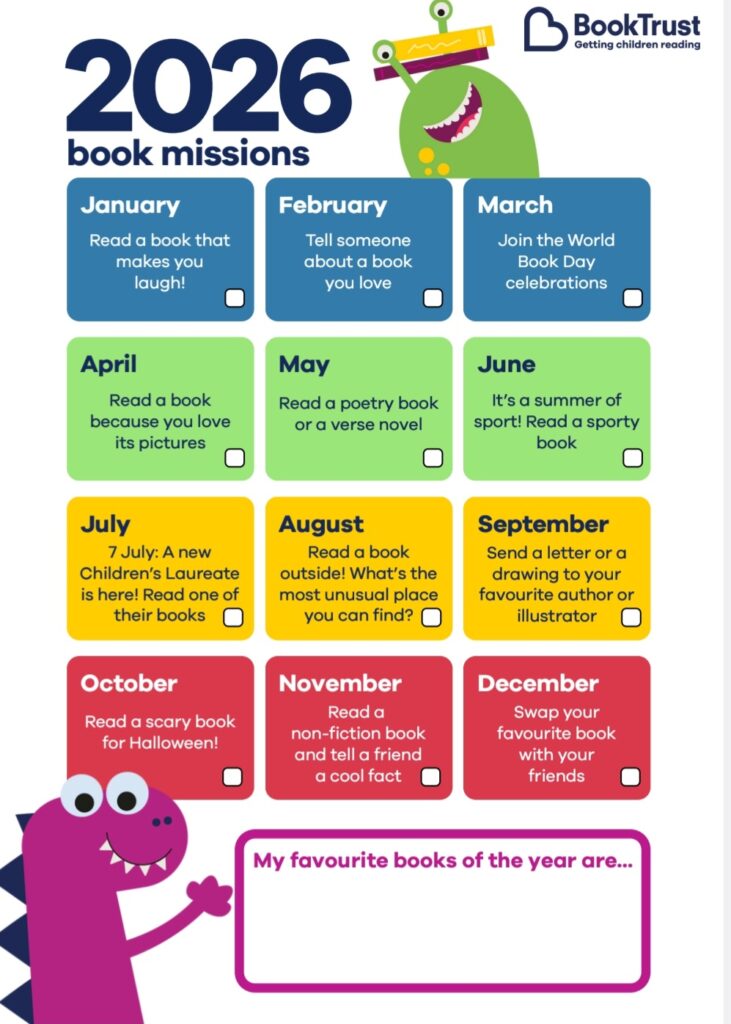
2026 is the National Year Of Reading, and BookTrust have put together a calendar of Monthly Missions to try. To fend off the January blues, this month’s mission is to read a book that makes you laugh, so that is my theme for this week’s recommendations.

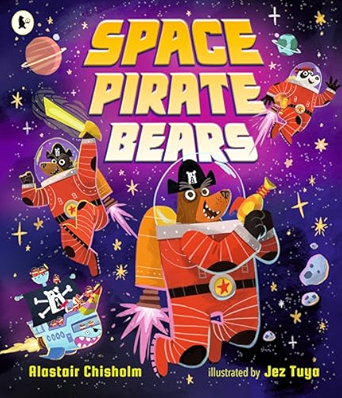
For our youngest children, I have chosen Space Pirate Bears by Alastair Chisholm, illustrated by Jez Tuyo

This energetic and imaginative book is a wonderful celebration of storytelling, creativity and the magic that can grow out of an ordinary day at home. Jamie and Abby are bored. Very bored. With Dad attempting to work from his dining table, the children need something to spark their imaginations, and a story seems to be the only possible answer. What follows is a wonderfully inventive tale that transforms a quiet home into the far reaches of outer space.

Dad’s improvised story introduces a looming threat to the universe: something grey, dull and dangerously powerful. With the Star Defenders on the brink of defeat, there is only one hope left. Enter the mightiest heroes in the cosmos, the Space Pirate Bears. As the adventure unfolds, the real fun lies in the way Jamie and Abby shape the story themselves, debating who these mysterious heroes should be and what they are capable of. Their differing ideas fuel the narrative, creating plenty of laugh out loud moments and unexpected twists along the way.

This book is fast-paced, action-packed and filled with playful surprises that will delight young readers. At the same time, it gently highlights the importance of cooperation, creativity and listening to one another. Parents will enjoy the familiar setting and the warm portrayal of family life, while children will be swept up in the excitement of an intergalactic adventure.

An entertaining and exciting reminder that boredom can be the starting point for something extraordinary, especially when imagination takes the lead.

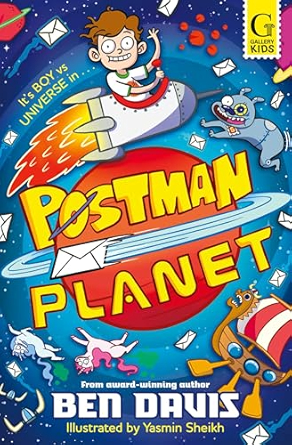
For newly independent readers, I’ve picked the latest release from two time Coventry Inspiration Book Award Winner, Ben Davis – the hilarious Postman Planet, the first book in a brand-new, highly-illustrated series full of cosmic capers that will have you in stitches.

Postman Planet has a secret. A BIG one. He claims to be the greatest postman in the Universe, but the truth is… he’s only nine. And right now, he’s racing to the Planet of Fluffy Unicorns with the most important delivery of his life: an inflatable planet that’s rapidly losing air. With only his irritating new assistant Stamp, a half-robot, half-dog who won’t stop beeping, Postman Planet must save the planet before it goes completely flat.

It is laugh-out-loud funny from start to finish. Ben has captured that frantic, silly energy that kids just adore, and his energy is perfectly matched by Yasmin’s fabulously funny illustrations throughout the book. Beyond the chaos and the giggles, there are some really lovely underlying themes of friendship, sharing, and the importance of teamwork.

I loved how accessible it is, and I know that with its short chapters and pages packed with hilarious illustrations, it’s a dream for reluctant readers or anyone aged 6 and up. I devoured this in one sitting and can’t wait for more from this series!

And finally for our confident readers, I’ve chosen Grimstink by Daniel Peak, a hugely entertaining book that delivers a brilliant blend of science fiction, humour and everyday family life, making it a real treat for readers however old.

The story opens with a delightfully absurd contrast: Alien Grimstink has travelled ninety thousand light years to destroy all life on Earth, while 13-year-old Layla Tenby has ventured half a mile to deliver leaflets advertising affordable fence panels. Fate, however, has other plans, and when the pair unexpectedly swap places, chaos quickly follows.

Grimstink’s grand plans for annihilation are derailed by the very British obstacles of traffic wardens, shopping precincts and the baffling complexities of ordering a Subway sandwich. Meanwhile, Layla finds herself zapped to a distant planet, surrounded by black holes, mining satellites and quantum spaceships, and reluctantly tasked with saving the future of the galaxy. Her determination to get home, rather than become a hero, adds plenty of warmth and humour to the adventure.

Adding another layer of fun is Reece, Layla’s younger brother, whose unlikely friendship with Grimstink raises the stakes even further. Is Reece the key to the galaxy’s survival, or will this peculiar bond spell disaster for everyone involved? From outer space to the middle aisle of Aldi, the story hops joyfully between the cosmic and the familiar.

Packed with laugh-out-loud moments and clever twists, this book explores friendship, responsibility and seeing the world from a different perspective. It is a fast-paced, imaginative read that proves even the biggest adventures can begin in the most ordinary places.

Happy reading!

Wellbeing Wednesday: Bouncing Back

Tips for wellness from our Mental Health In Schools Team

“Fall seven times, stand up eight” – Japanese proverb

Bouncing Back

Bouncing back is all about ‘having another go’ after we are faced with challenges, this is also called resilience! There are times when things will not go how we planned, so being resilient will help us keep going and try again. We can all develop our ability to bounce back, so it is important to maintain a growth mindset and practise this skill by trying the following tips:

Our tips for bouncing back:

  1. Watch this short video introducing resilience and ‘bouncebackability’. Click the link to watch the video: Beano – Bouncebackability
  2. Practise problem solving as a strategy to overcome practical difficulties and help you bounceback! Follow the steps below, you may want to write the answers down to help you:
    • What is the problem?
    • How does it make you feel?
    • What are the possible solutions?
    • What are the positives and negatives of each solution?
    • Select the best solution and make a plan to try out!
  3. Think about a time when you have faced a challenge in the past…how did you overcome it? Would you do anything differently if you came across the same challenge again? You could discuss this with a friend to share ideas.
  4. Build your support network. Having people that you trust around you through difficult times can help you to bounce back! Try to share how you are feeling with friends, family, teachers and other trusted adults in your life. You can also contact the services below if you struggle talking to people you know:

Please contact [email protected] for information and advice about mental health and well-being for your child and your family.

Wellbeing Wednesday: Happy New Year

Tips for wellness from our Mental Health In Schools Team

“Learn from yesterday, live for today, hope for tomorrow.” – Albert Einstein

Happy New Year

As we welcome the New Year, many of us will focus on resolutions, which may include to become healthier, more active, or learn a new skill. New Year’s resolutions are generally seen as promises we make to ourselves to achieve or improve an aspect of our life. Some people can stick to their goals easily, while others may find it more of a challenge. Setting goals can make us feel motivated and inspired, but if everything does not go to plan, it can leave us feeling disheartened. This can happen if we are unsure how to get started on our goals, or if they feel too big to achieve. For that reason, this year, take a moment to create SMART goals that focus on small steps. SMART goals are specific, measurable, achievable, realistic and time based.

Our top tips:

  1. Focus on your strengths and interests, perhaps there is something you are already doing that you want to do more of. Setting small, strengths-based goals will create hope and build your self-confidence, empowering you to accomplish new things that make you feel happy and healthy.
  2. Think about setting a mentally healthy goal this year:
  • Find new ways to get active. Maybe you could join a new club or after-school activity.
  • Make time for self-care and relaxation, such as participating in some mindfulness activities.
  • Learn more about something you are interested in. Perhaps you could put more time into a particular skill or hobby you are already doing.
  • Practice being kind to yourself. Positive self-talk is a simple way to achieve this – try saying positive statements such as “I am kind” or “I am on the right track”.
  • Establish a good sleep routine. Try going to bed and waking up at the same time every day, even at the weekend!
  • Limit your screen time. By setting boundaries for your usage, you may have more time for other activities.

3. Remember, goals can change! Especially if they are not giving us or teaching us what we need, so be kind to yourself.

Please contact [email protected] for information and advice about mental health and well-being for your child and your family.

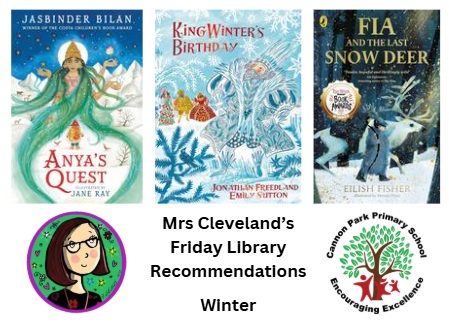
    Friday Library Recommendations: Winter

    What a wintery day – the perfect weather for closing the curtains and curling up indoors with a good book!

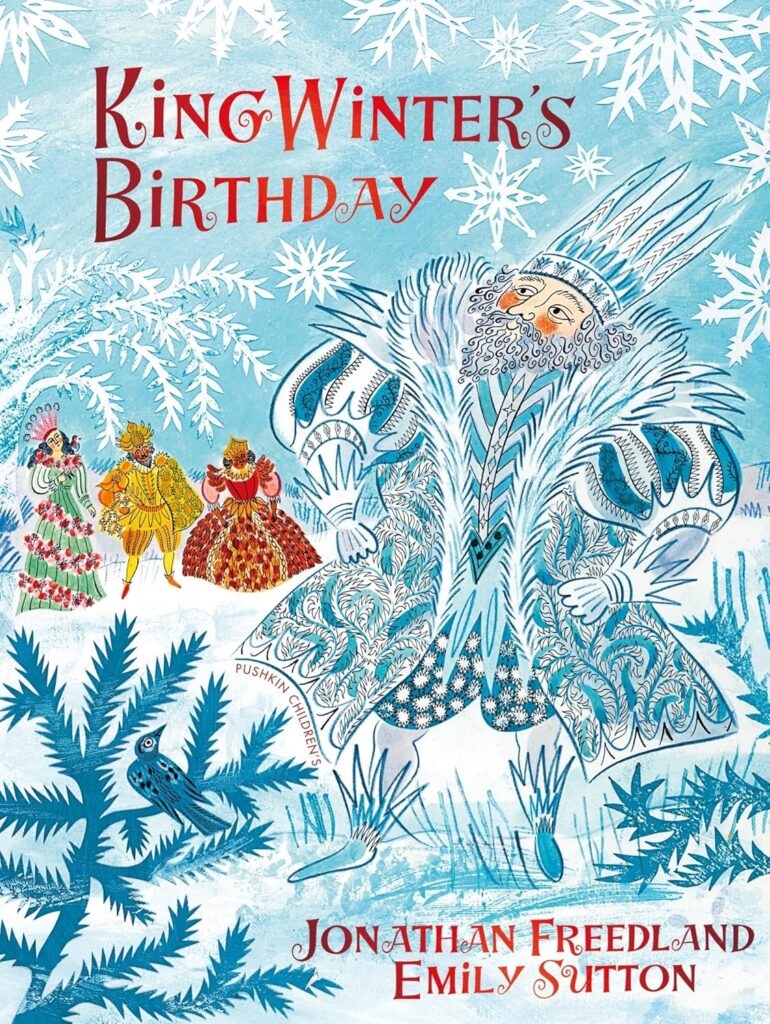
    My first choice this week is King Winter’s Birthday by Jonathan Freedland, illustrated by Emily Sutton. a rich, thoughtful, beautifully illustrated picturebook. Written by bestselling author Jonathan Freedland and illustrated with warmth and elegance by Emily Sutton, it brings a classic fairy-tale tone to a story that feels both gentle and meaningful.

    The tale begins with King Winter, who wants his birthday celebration to be truly special. He invites all of his brothers and sisters to join him: Queen Spring, King Summer and Queen Autumn. Together they play magical games, filling the palace with joy and wonder. Outside, however, the natural world begins to change. The wind and the trees whisper a warning, and something strange is happening beyond the palace walls.

    Inspired by a story by Ulrich Alexander Boschwitz, written while he was interned on the Isle of Man during the Second World War, this book carries a quiet depth beneath its fairy-tale surface. It offers children a gentle introduction to the idea that the world works best when things are in balance.

    Celebrating the rhythms of the seasons and the restorative power of nature, this timeless picture book invites discussion, reflection and shared reading.

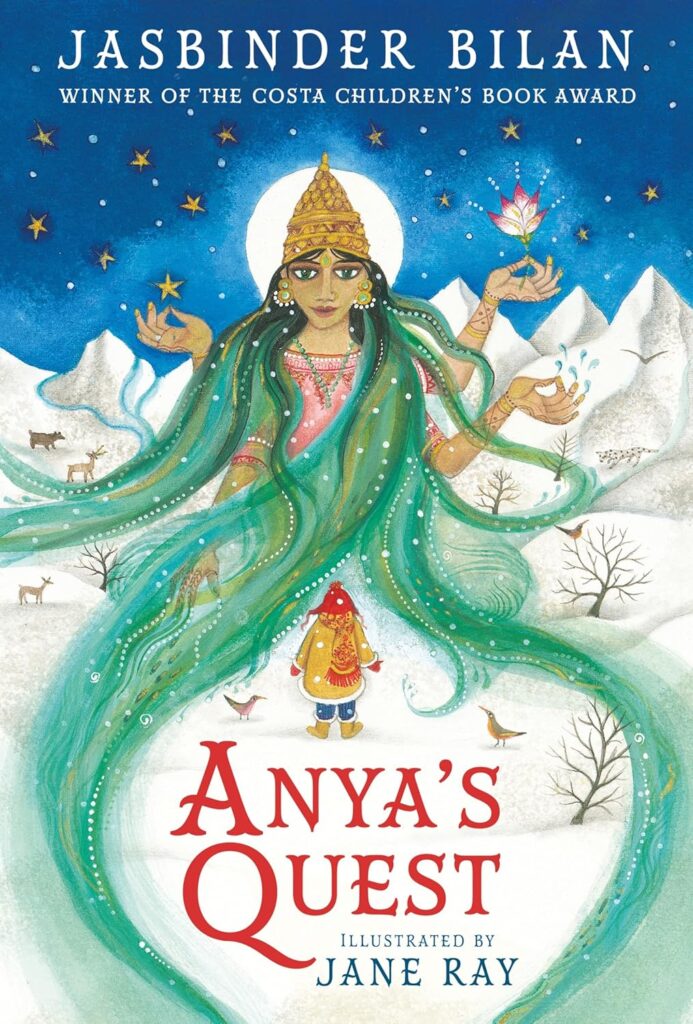
    My next wintery pick is Anya’s Quest by Jasbinder Bilan, illustrated by Seema Bowri, a powerful and uplifting read that blends myth, music and environmental themes into a richly imagined tale.

    When the earth’s lullaby begins to fade, the mighty river goddess Ganga knows the world is in danger. Hearing a long-forgotten melody, she is led to a palace high in the icy Himalaya and to Anya, a young girl with a vital role to play. With Anya and her friend Mahi riding on Ganga’s dragon, Makara, the story unfolds into an epic journey through time and across India.

    Along the way, the children search for lost lullabies and elusive spirit animals, meeting friends old and new and learning to face their fears. Inspired by Hindu mythology, the book gently introduces young readers to ideas about caring for the planet, the importance of harmony, and the power of hope and courage.

    Lyrical, imaginative and full of colour, this is a story to be shared and discussed. It encourages curiosity about the natural world and different cultures, while offering a hopeful message about protecting our fragile planet. A truly special book to treasure.

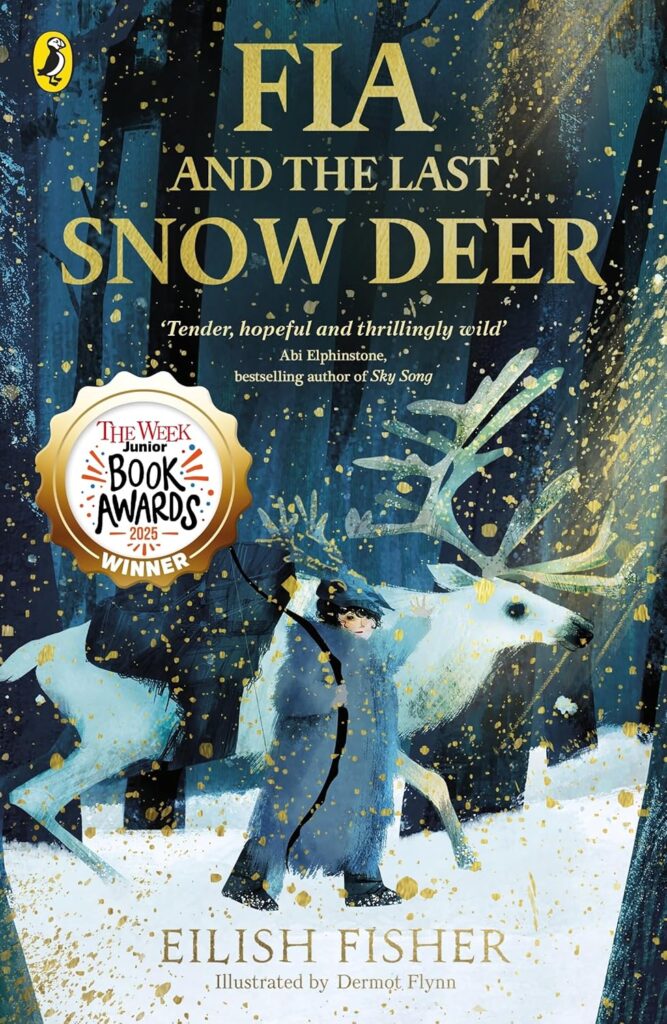
    And finally, I’ve chosen Fia And The Last Snow Deer by Eilish Fisher, illustrated by Dermot Flynn, a beautifully crafted story which won the Children’s Book of the Year at the Irish Book Awards last year, and has just won The Week Junior’s Book Award.

    Set in snowy, prehistoric Ireland, the story follows young Fia and her magical snow deer, Solas. Fia shares a deep and special bond with Solas, but when her village is trapped in what seems like an endless winter, fear and desperation take hold. The villagers believe in an ancient prophecy that speaks of the return of sunlight and life, but only if a great sacrifice is made.

    Determined not to let her home fall into despair, Fia, together with her cousin Mish, and Solas, set off on a brave journey to find the Deer Mother. This mythical figure is said to awaken the sun at the winter solstice, and she might hold the key to saving their village. However, the wilderness is full of challenges and shadows, testing their courage and friendship at every turn.

    Eilish Fisher’s writing is both powerful and tender, weaving themes of hope, kindness, and the strength found in friendship. The tale’s rich setting and emotional depth are beautifully enhanced by Dermot Flynn’s stunning illustrations, which bring the icy landscapes and magical creatures vividly to life.

    Fia and the Last Snow Deer is a heartfelt and inspiring lyrical read, perfect for young readers who enjoy fantasy and adventure, while also reminding us all of the importance of bravery and love in the face of hardship.

    Happy reading!

    Wellbeing Wednesday: Setting Goals

    Tips for wellness from our Mental Health In Schools Team

    “Setting goals is the first step in turning the invisible into the visible.” — Tony Robbins

    Setting Future Goals

    Setting goals helps you stay focused, motivated, and positive. They give you something to look forward to and remind you that you’re in charge of your own journey. It’s normal to feel a bit nervous when you think about the future, but looking forward can actually help your mental health. Looking to the future helps to build confidence, can give you direction and encourages optimism. Thinking about what’s ahead reminds you that good things can still happen — even when times feel tough.

    Our Top Tips For Setting Goals:

    1. Start Small
      Big dreams start with small steps. Pick one thing you’d like to improve—like sleeping better or
      spending more time outdoors.
    2. Make It Realistic
      Choose goals that feel possible, not perfect. For example, “I’ll talk to a friend once a week” is
      easier than “I’ll never feel lonely again.”
    3. Be Kind to Yourself
      Progress takes time! Celebrate small wins and don’t be hard on yourself if things don’t go
      perfectly.
    4. Write It Down
      Keep a journal or use your phone to track how you’re doing. Seeing your progress boosts
      confidence!
    5. Ask for Support
      You don’t have to do it alone. Talk to someone you trust — a friend, teacher or family
      member— about your goals.
    6. Balance Is Key
      Make time for fun, rest, and creativity. Mental health goals should make life feel better, not
      busier.

    Please contact [email protected] for information and advice about mental health and well-being for your child and your family.

    Friday Library Recommendations: Christmas

    It’s my last #FridayLibraryRecommendations of 2025, so I had to share some of my favourite Christmas books.

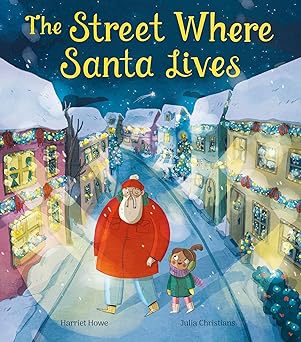
    For our youngest readers, I’ve chosen The Street Where Santa Lives by Harriet Howe, illustrated by Julia Christians, which celebrates community spirit, empathy and the joy of helping others.

    This charming festive story introduces young readers to a thoughtful little girl who is the only one to notice when an elderly man moves in next door. With his snowy white beard, rounded tummy and talent for fixing broken toys in his workshop, she becomes convinced that he must be Santa Claus hiding in plain sight.

    When the could-be-Santa neighbour becomes unwell, the little girl takes action. With determination and kindness, she gathers the whole street to help care for him, reminding everyone how important it is to look out for those who may be lonely or needing support, especially older members of the community. Her plan brings neighbours together in a wonderfully warm and hopeful way. The big question, of course, is whether their combined efforts will help him recover in time for Christmas Eve.

    Harriet Howe’s writing is gentle, humorous and full of heart, making this an ideal shared read during the festive season. Julia Christians’ cosy illustrations add to the magic, filling the pages with warmth, character and seasonal charm.

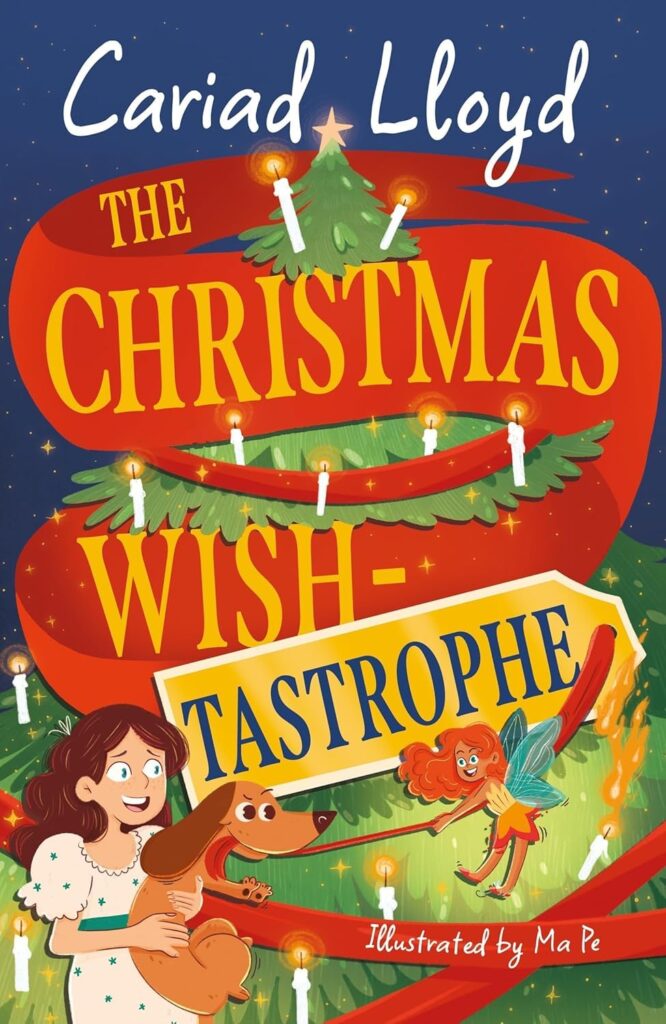
    My next pick is The Christmas Wish-Tastrophe by Cariad Lloyd, illustrated by Ma Pe, a delightful festive tale. It has recently be released in paperback with the new title, Lydia Marmalade and the Christmas Wish.

    Lydia Marmalade, a brave and big-hearted girl who arrives at Lady Partridge’s grand mansion with nothing but her trusty sausage dog, Colin. Recently bereaved and longing for a place to call home, Lydia hopes this winter will bring her a fresh start. Unfortunately, Lady Partridge has other ideas, making it clear that Lydia must be perfectly behaved throughout the season or risk being sent away altogether.

    What unfolds is a wonderfully warm and witty adventure, filled with mischief, magic and mayhem. Lydia soon encounters a playful winter sprite whose well-meant help often causes more trouble than expected. Add in a grumpy butler, a perpetually peckish Colin, and the most magical night of the year, and Lydia’s simple wish quickly becomes the spark for a full-blown wish-tastrophe.

    Despite the chaos, at the heart of this story lies Lydia’s determination, kindness and hope. Children will enjoy the lively characters and snowy escapades, while adults will appreciate the gentle messages about belonging, resilience and finding light in difficult times.

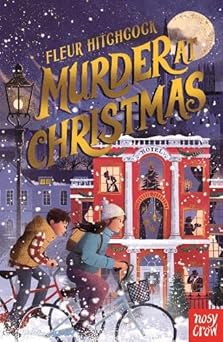
    And finally, for our oldest readers, it wouldn’t be Christmas without a who-dun-it from Fleur Hitcock, and Murder At Christmas is a gripping festive mystery.

    It follows Grace, who returns home to Bath after a long and rather miserable school term, eager to spend Christmas with her mum and younger brother, Billy. Her excitement, however, doesn’t last long. A shocking murder at their hotel disrupts the holiday, and matters become even more unsettling when Grace’s mum suddenly disappears.

    Left frightened and unsure whom to trust, Grace is determined to uncover the truth. With Billy beside her, she teams up with two new friends, Olive and Doug. Clever, quick-thinking and brave, the trio help Grace piece together the puzzling events of the night her mum vanished. As the children follow clues around the festive city, they begin to realise that nothing – and no one – at the hotel is quite what they seem.

    The story is packed with twists, tension and clever detective work, all set against a wintry backdrop that keeps the pages turning. Despite the darker themes, the book remains accessible, focusing on friendship, bravery and the importance of working together when things feel overwhelming.

    Happy reading!

    Wellbeing Wednesday: Sleep

    Tips for wellness from our Mental Health In Schools Team

    “Sleep is the golden chain that ties health and our bodies together.” – Thomas Dekker

    Sleep

    Our bodies need sleep and rest to help us function every day. When we are sleeping, it gives our brain and body time to repair and regenerate, re-energise and improve our motivation. We also need sleep to be able to process information, problem solve, learn new things and concentrate (you might notice you find it particularly difficult to focus at school after a bad night’s sleep!) Sleep also benefits our mental wellbeing, by helping us to regulate our emotions and mood.

    It is important to find time for our brain to completely ‘switch off’ and rest, to take some time out of our busy day to stop, take a break and do something that promotes our wellbeing!

    Our tips for improving sleep:

    1. Maintain a regular sleep schedule – this includes going to bed around the same time every night, as well as waking up at a similar time every morning (even on weekends!) Sleeping in later than normal can disrupt the body’s circadian rhythm, which can lead to more tiredness.
    2. Create a calming environment – dim the lights an hour before bed. Keep the room dark, if possible, try using an eye mask or black out blinds. A cool bedroom and slight drop in body temperature can help us to go to sleep.
    3. Reduce electronics – using electrical devices before bedtime is one of the main reasons we have sleep difficulties. The light exposure on the screens can trick our brain into thinking it is still daytime, which stops our body from being able to wind down and feel tired! Turn devices on night mode or leave outside your bedroom to limit temptation.
    4. Minimise daytime naps – napping during the day can make it harder to fall asleep at night, they also break up sleep (which means lower quality sleep and fewer benefits).
    5. Complete homework after school – getting stuck into homework tasks before bed can delay tiredness, as our brains are busy trying to concentrate! Try to do activities that relax you before bed, to help you switch off from schoolwork.
    6. Spend time relaxing – you may want to have a shower or run a warm bath, listen to calming music, read a book, journal or keep a diary from the day, stretch, meditate, or spend time with a pet.
    7. Follow this link for more helpful information and sleep tips!

    Please contact [email protected] for information and advice about mental health and well-being for your child and your family.

    Friday Library Recommendations: Hope

    This Sunday is Day of Hope, which is a beautiful theme for #FridayLibraryRecommendations. This week’s books will make you feel a whole range of emotions, but ultimately leave you feeling hopeful…

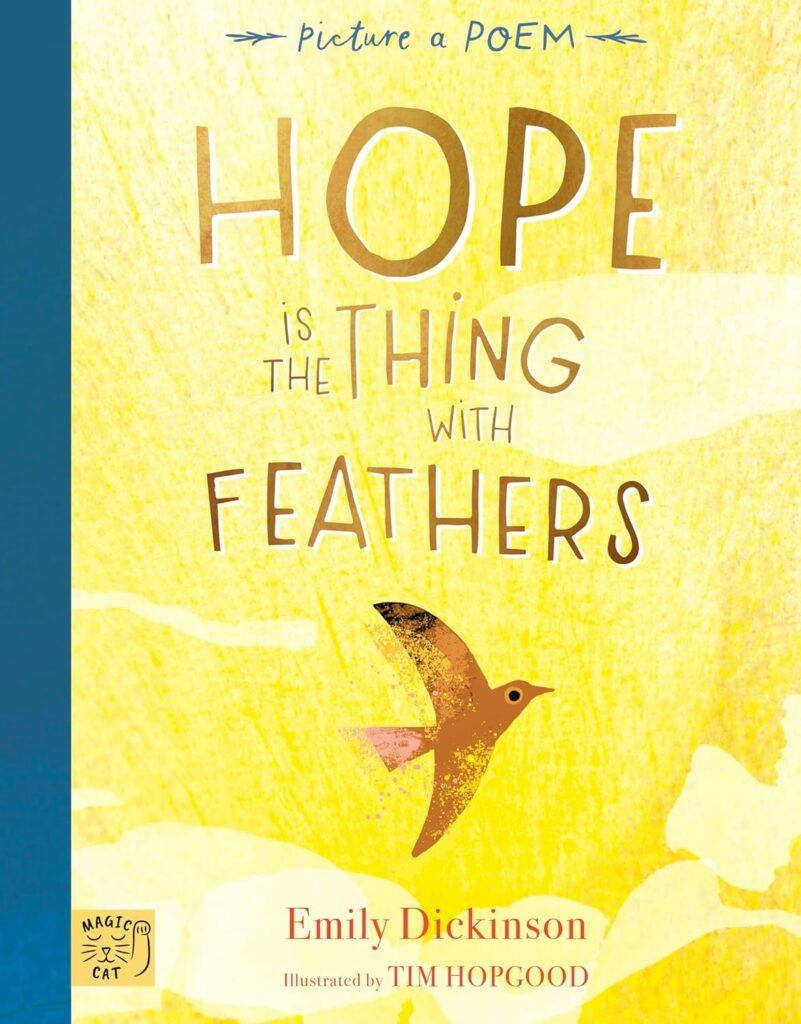
    My first choice is Hope Is The Thing With Feathers by Emily Dickinson, illustrated by Tim Hopgood, which introduces poetry in a way that feels warm, accessible and visually engaging.

    The book follows a small, determined bird as it travels around the world, quietly bringing hope to people wherever it goes. Its soothing song continues through calm moments and stormy weather alike, symbolising the steady, comforting presence of hope in our lives. Even when faced with challenges, the little bird never falters — a message that is both reassuring and inspiring for young readers.

    Tim Hopgood’s illustrations are vibrant, expressive and perfectly matched to the tone of Emily Dickinson’s famous words. Each spread invites children to follow the bird’s journey and notice the emotions, colours and landscapes that accompany it. The artwork helps convey the meaning of the poem without overwhelming or simplifying it, making this an ideal introduction to poetry for children aged four and up.

    The book includes the full poem at the end, along with a short biography of Emily Dickinson, offering a thoughtful way to extend learning. A hopeful, beautifully crafted read that encourages resilience and optimism through a gentle and uplifting reading experience.

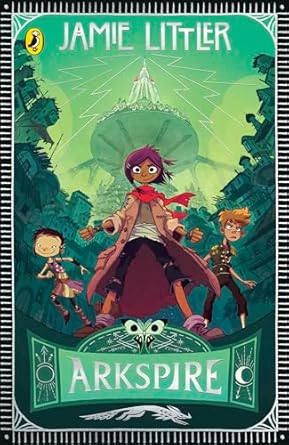
    Next, I have picked Arkspire by Jamie Littler, a fantasy adventure set in Arkspire, a bustling city where magic shapes everyday life. The city is ruled and protected by the five Arcanists – powerful magicians whose word is law. Living far below their grand towers is Juniper Bell, a quick-witted young thief who will do anything to support her family, including her endlessly irritating but well-meaning sister, Elodie.

    Juni’s world is turned upside down when a stolen relic, which she insists has nothing to do with her, suddenly explodes and reveals a mysterious creature called Cinder. The pair appear to “bond” instantly, a phenomenon the Arcanists claim only happens with creatures that are supposedly dangerous. It isn’t long before these powerful magicians set their sights on Juni, convinced she poses a threat.

    What follows is a gripping journey through hidden corners of Arkspire and far beyond. Juni and Cinder are thrust into a world of secrets, magical politics and ancient power struggles, forcing Juni to question everything she thought she knew. With danger closing in, the unlikely duo must rely on courage, loyalty and quick thinking as they uncover the truth. Juni’s hopeful nature shows in her determination, even when it looks like all hope is lost.

    Featuring striking illustrations and rich world-building, this is a thrilling read for fans of fantasy and adventure

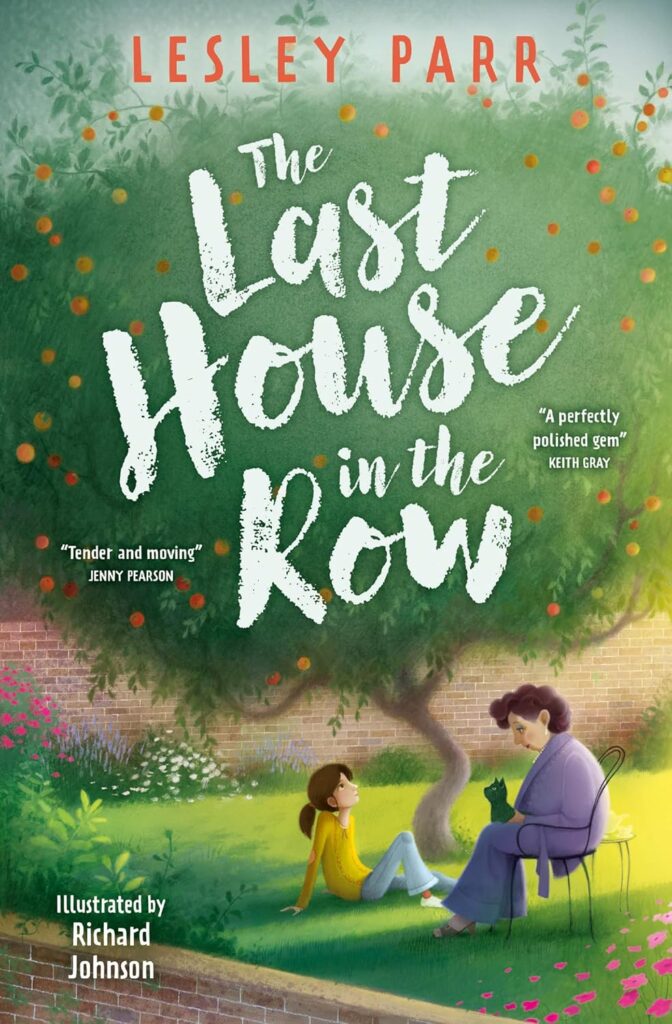
    My final choice is The Last House In The Row by Lesley Parr, a gentle and thoughtful story which explores kindness, understanding and the value of giving others a chance.

    It follows Hayley, a young girl who is growing increasingly frustrated that her beloved cat keeps disappearing into the garden of Lillian — an elderly woman who lives alone at the very end of the row. Hayley secretly calls her “Boo”, convinced she’s odd and unapproachable, especially as Lillian hasn’t left her house in years.

    However, an unexpected act of kindness soon brings the two together, and Hayley begins to realise that there is much more to Lillian than she first assumed. As their friendship grows, Hayley learns the painful truth behind Lillian’s reluctance to step outside and discovers the loneliness that has shaped her neighbour’s life.

    When a misunderstanding threatens to break their fragile new bond, Hayley must find the courage and empathy to put things right. Her determination to support Lillian, and to help her reconnect with the world beyond her doorstep, forms the heart of this tender, uplifting tale. Hayley and Lillian both have far kinder and more hopeful outlooks for each other than they do for themselves, something that many readers will be able to resonate with.

    Beautifully written with warmth and compassion, this book encourages young readers to look beyond first impressions and consider what others may be going through. A moving story perfect for sparking conversations about empathy, community and friendship.

    Happy reading!

    Wellbeing Wednesday: Inclusion and Belonging

    Tips for wellness from our Mental Health In Schools Team

    “There are no outsiders in our school” – Andrew Moffat

    Inclusion and Belonging

    Inclusion means making sure everyone feels welcome, accepted, and valued, no matter their differences. It’s about creating a space where everyone feels like they belong—whether it’s at school, at home, or with friends. Belonging means feeling like you are part of something and that you matter.

    How to make others feel included:

    1. Be Friendly and Approachable: Smile and say hello to people to make them feel welcome.
    2. Invite Others to Join In: When you’re playing a game or starting a conversation, invite others to join in. This could stop them from feeling left out.
    3. Listen to Everyone: Take the time to listen to others, showing them that you care about what they say, even if their opinions are different from yours.
    4. Celebrate Differences: Embrace everyone’s differences and learn from them. It’s what makes us all unique!
    5. Use Positive Words: Use words that make others feel good, rather than teasing or making fun of them.
    6. Be Open-Minded: Try to see things from someone else’s point of view, to help build respect and connection.

    Tips for feeling like you belong:

    • Be Yourself – Don’t try to change who you are to fit in. You belong just as you are!
    • Find Your Tribe – Surround yourself with people who support and accept you. Finding people
      with similar interests to you can be a great place to start.
    • Take Care of Others – When you make others feel like they belong, you help create a sense of
      belonging for yourself too

    Please contact [email protected] for information and advice about mental health and well-being for your child and your family.

    Friday Library Recommendations: Lost Species

    My theme for #FridayLibraryRecommendations this week links to Remembrance Day for Lost Species, which is this Sunday, November 30th. It is a chance each year to explore the stories of extinct and critically endangered species, cultures, lifeways, and ecological communities. 

    My first choice this week is Around The World In 80 Endangered Animals by Jess French, illustrated by Brendan Kearney, a vibrant and informative non-fiction book for young readers who are curious about the natural world and the creatures we share it with.

    Taking readers on a journey across deserts, oceans, rainforests and frozen landscapes, it introduces 80 endangered animals in an engaging and accessible way. From gentle whale sharks gliding through deep waters to polar bears navigating drifting ice, each page offers a glimpse into the lives of remarkable species facing real challenges.

    I love the balance between fascinating facts and clear explanations about why these animals are at risk. The text highlights not only the threats they face but also the inspiring conservation work happening right now to protect them. This encourages children to understand both the fragility of nature and the positive actions that can make a difference.

    The book is richly illustrated, making it easy for children to visualise each animal and its habitat. A standout feature is the large pull-out poster on biodiversity, which shows how every species, no matter how small or unusual, helps keep our planet healthy.

    Perfect for readers who love animals, geography or science, this is a thoughtful and uplifting introduction to environmental awareness.

    My next pick is Land Of The Lost Wildcat by Lui Sit, illustrated by David Dean, an exhilarating debut that combines heart-pounding adventure with a touching exploration of family, friendship, and the importance of preserving our natural world.

    This exciting and imaginative adventure follows Puffin Lau, a determined young girl facing two big challenges: her scientist mother barely speaks to her, and a mythical wildcat — the kuri — needs her help to survive. Raised on stories about the kuri’s magical powers, Puffin is determined to return the creature to its rightful home. But standing in her way is the sinister Professor Smoult, a scientist driven by greed who wants to capture the kuri and exploit its magic.

    From the moment Puffin encounters the kuri, the action unfolds at a thrilling pace, that kept me on the edge of my seat. The journey to Linger Island is filled with danger, suspense, and moments of magical wonder. The stakes are high, and the story does not shy away from addressing the real-world consequences of greed and exploitation. The kuri’s plight as an endangered species mirrors the real-world struggles faced by countless animals. Lui’s vivid descriptions of the natural world are both beautiful and poignant, encouraging us to think about our own relationship with nature and the importance of protecting it.

    I do love a good villain and Lui has definitely given us one in Professor Smoult, whose greed and disregard for the natural world make him perfect for a story centred on conservation and respect for the environment.

    The illustrations by David Dean bring key moments of the story to life and add depth to the characters and settings, and capturing the magical essence of the kuri. A must-read for young animal lovers and fans of magical realism that captures the imagination while delivering a powerful message about environmental responsibility.

    And finally, I’ve chosen Turtle Moon by Hannah Gold, a warm, exciting and thought-provoking adventure, beautifully complemented by Levi Pinfold’s atmospheric illustrations.

    It follows Silver Trevelon, a young girl whose family has been stuck in a quiet sadness ever since the baby sibling they hoped for never arrived. When Silver’s dad is offered the chance to work at a turtle rescue centre in Costa Rica, the family swaps grey skies for tropical heat — and Silver discovers a world alive with colour, wildlife and possibility.

    Hannah weaves real-world environmental themes into a gripping story that feels both accessible and meaningful for primary-aged readers. Children will be fascinated by the work of the rescue centre and especially by Silver’s unforgettable encounter with a nesting leatherback turtle. But when the turtle’s eggs mysteriously vanish, the pace quickens. Silver and her new friends must summon courage, resilience and teamwork as they journey deep into the jungle to uncover the truth.

    This is a story about hope, healing and the power of young people to make a difference. It balances tension with tenderness, adventure with empathy. Ideal for confident readers aged 8 and up, Turtle Moon is an engaging eco-mystery that may spark brilliant conversations at home about nature, conservation and kindness.

    Happy reading!

    Scroll to Top